The Role of Independent Oversight in Cases Involving Police or Public Officials

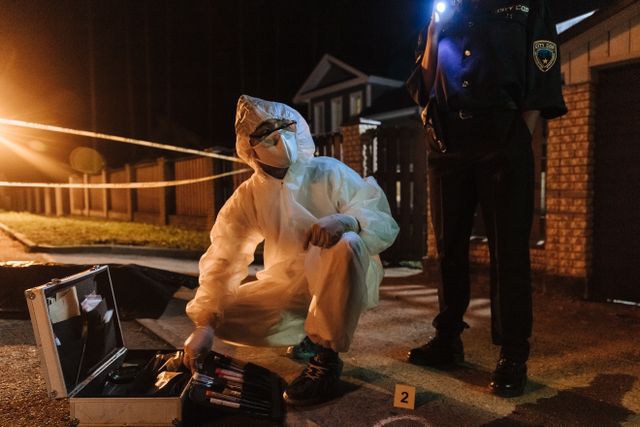

Public trust in the justice system depends not only on the laws that govern society but also on whether those laws are applied fairly by the people entrusted with enforcing them. Police officers and public officials exercise significant authority over citizens’ liberty, safety, property, access to public services, and legal rights. Their responsibilities may include investigating crimes, maintaining public order, enforcing regulations, administering government schemes, and making decisions that directly affect individuals and communities. When allegations of misconduct arise against these officials, the process used to investigate those allegations becomes especially important.
Complaints involving police officers or public officials may concern excessive use of force, unlawful detention, corruption, abuse of authority, discrimination, deliberate inaction, evidence manipulation, harassment, or violations of established procedures. Such allegations require careful examination because they involve both the rights of the complainant and the legal protections owed to the person accused of wrongdoing. If the institution responsible for investigating a complaint is also closely connected to the official under scrutiny, concerns about impartiality may arise, even where no actual interference has occurred.
Independent oversight helps address this challenge by introducing external scrutiny, transparent procedures, and mechanisms for reviewing the conduct of public authorities. It can help ensure that allegations are assessed on the available evidence rather than institutional loyalty, personal relationships, or pressure from influential individuals. In India, oversight may involve courts, statutory commissions, designated police complaint authorities, vigilance institutions, anti-corruption agencies, and other legally authorised bodies, depending on the nature of the allegation and the jurisdiction concerned.
The purpose of independent oversight is not to presume that public officials are guilty whenever a complaint is filed. Rather, it is to ensure that credible allegations receive a fair assessment, investigations are conducted lawfully, and appropriate consequences follow when misconduct is established. A reliable oversight system protects citizens from abuses of power while also protecting honest officials from baseless accusations and arbitrary disciplinary action.
Understanding Independent Oversight in Public Administration
Independent oversight refers to the examination, monitoring, or investigation of public authority conduct by a body or process that has sufficient institutional independence to assess the matter impartially. The degree of independence varies according to the legal framework, appointment procedures, financial arrangements, investigative powers, and protections against improper interference. An oversight institution may investigate complaints directly, supervise an investigation conducted by another agency, examine administrative procedures, recommend disciplinary action, or refer suspected criminal conduct to an authorised investigative body.
The concept is particularly important when the alleged misconduct concerns the use of public power. Police officers may have authority to arrest individuals, conduct searches, collect evidence, and use force within legally defined limits. Other public officials may control permits, public contracts, welfare benefits, recruitment decisions, inspections, or regulatory approvals. Because these powers can have substantial consequences, misconduct may cause harm beyond the immediate complainant and undermine confidence in public institutions more broadly.
An effective oversight system distinguishes between criminal liability, departmental misconduct, administrative failure, and human rights violations. The same incident may raise more than one issue, but each may require a different procedure. For example, an allegation of assault by a police officer could require a criminal investigation, an internal disciplinary inquiry, and examination by a competent human rights body. A complaint about deliberate delay in processing a government application may primarily require administrative review unless the facts indicate corruption or another offence.
Independent oversight does not necessarily mean that every complaint must be investigated by an entirely separate organisation. Independence can also be supported through external supervision, conflict-of-interest rules, transparent case allocation, access to evidence, judicial review, and safeguards against interference. What matters is whether the process can examine the allegation credibly and reach a conclusion based on evidence and law.
Why Internal Investigations May Not Always Be Sufficient
Internal investigations are a necessary part of organisational accountability. Police departments and government institutions need procedures for examining complaints, enforcing professional standards, identifying training deficiencies, and disciplining employees who violate service rules. Internal mechanisms can be relatively accessible and may be well placed to understand technical procedures or workplace practices.
However, internal investigations can raise concerns when the investigator and the person under investigation belong to the same chain of command, work closely together, or have professional relationships that could affect the appearance of impartiality. A complainant may question whether colleagues will objectively examine allegations against a senior officer or whether an institution will be willing to disclose evidence that could damage its reputation. These concerns are particularly serious when the allegations involve custodial violence, unlawful detention, destruction of evidence, corruption, or interference with witnesses.
Institutional pressure does not automatically mean that an internal inquiry is biased. Many departmental investigations are conducted professionally and lead to meaningful corrective action. Nevertheless, a system that relies exclusively on internal discretion may lack the credibility needed in cases where the institution itself faces questions about its conduct. External scrutiny can provide an additional safeguard by reviewing whether the investigation was adequate, whether relevant evidence was preserved, and whether the conclusions are supported by the available material.
Independent oversight can also help distinguish individual misconduct from organisational weaknesses. If several complaints reveal similar failures in arrest procedures, recordkeeping, complaint registration, or the use of force, the problem may extend beyond one employee. A review that examines policies and supervisory practices can identify systemic issues and recommend changes that reduce the likelihood of future misconduct.
Independent Oversight in the Indian Legal Framework
India’s accountability framework is spread across constitutional protections, criminal procedure, service rules, statutory commissions, judicial remedies, and specialised investigative institutions. The appropriate mechanism depends on the alleged conduct, the office involved, the seriousness of the allegation, and the powers granted to the relevant authority. No single oversight institution handles every complaint against every police officer or public official.
The Constitution of India establishes important safeguards relevant to public accountability. Article 14 guarantees equality before the law and equal protection of the laws, while Article 21 protects life and personal liberty except according to procedure established by law. Article 22 contains safeguards concerning arrest and detention. These constitutional protections are relevant when state action allegedly interferes unlawfully with an individual’s liberty or dignity. High Courts and the Supreme Court can exercise constitutional jurisdiction in appropriate cases to address unlawful state action and enforce applicable rights.
Criminal procedure provides mechanisms for reporting offences, investigating allegations, and bringing cases before courts. The Bharatiya Nagarik Suraksha Sanhita, 2023, which came into force on 1 July 2024 subject to applicable transitional provisions, governs much of India’s criminal procedure for cases within its scope. The applicable procedural law should be checked carefully in matters that began under the earlier Code of Criminal Procedure, 1973, or that raise transitional questions.
Other institutions may become relevant depending on the circumstances. The National Human Rights Commission and State Human Rights Commissions examine matters within their statutory jurisdiction. Vigilance bodies and anti-corruption agencies may address allegations of corruption or misconduct under the applicable laws and rules. Police complaint authorities, where established and empowered under the relevant framework, may provide specialised review of certain categories of police misconduct. Departmental disciplinary authorities also remain important, but their role differs from that of a criminal court or independent commission.
Understanding the jurisdiction of each institution is essential. A complaint may be rejected or delayed if it is submitted to a body that lacks authority to investigate the subject matter or grant the requested relief. Citizens should therefore identify the nature of the alleged misconduct and determine which institution has the legal power to examine it.
The Role of Police Complaint Authorities
Police complaint authorities are designed to address concerns about police conduct through mechanisms that may operate outside ordinary departmental hierarchies. Their structure, jurisdiction, powers, and practical effectiveness can vary between states and jurisdictions. Some frameworks focus on serious allegations, while others may provide for different levels of review or recommendations concerning disciplinary action.
In India, police accountability reforms have been influenced by the Supreme Court’s decision in Prakash Singh v. Union of India in 2006, which included directions concerning police reforms and the establishment of Police Complaints Authorities at state and district levels, subject to the terms of the judgment and subsequent legal and institutional developments. The implementation of these reforms has varied, and the actual powers and functioning of complaint authorities should be verified in the relevant state.
A credible complaint authority should have a clear mandate, a process for receiving and assessing complaints, access to relevant records within its legal powers, and safeguards against improper interference. It should also communicate the status and outcome of its proceedings appropriately. If an authority can only make recommendations, the system should provide a clear process for considering and responding to those recommendations.
The value of such bodies lies in their ability to offer a review mechanism that is more independent of the police chain of command. However, formal existence alone does not guarantee effective oversight. Adequate staffing, resources, public awareness, transparent procedures, and meaningful follow-up are necessary for these institutions to make a practical difference.
Human Rights Commissions and the Protection of Citizens
Human rights commissions can play an important role when allegations against public officials involve violations of legally protected rights. In India, the Protection of Human Rights Act, 1993, provides the framework for the National Human Rights Commission and State Human Rights Commissions. Their powers and functions are defined by statute and are not identical to those of criminal courts.
Complaints may involve alleged custodial violence, unlawful detention, excessive force, discrimination by public authorities, or failures to protect individuals from serious rights violations. Depending on the circumstances and the commission’s jurisdiction, the institution may seek reports from the relevant authorities, examine the matter, conduct or arrange an inquiry within its powers, recommend relief, or suggest other appropriate action.
Human rights commissions can contribute to accountability by placing a complaint under scrutiny beyond the department concerned. Their proceedings may also highlight patterns of abuse, inadequate safeguards, or institutional failures that require broader reforms. Recommendations and findings can influence administrative action and public debate, although the precise legal effect of a commission’s action depends on the statute and the circumstances.
These commissions do not replace every criminal investigation, disciplinary proceeding, or judicial remedy. Their role must be understood alongside the powers of police investigators, prosecutors, courts, and other competent bodies. A complainant should verify applicable filing requirements, jurisdictional limits, and time-related conditions before approaching a commission.
Courts and Judicial Oversight
Courts are essential to independent oversight because they can examine whether public authorities have acted within their legal powers and whether the rights of affected individuals have been respected. Judicial review is particularly important when allegations involve unlawful detention, violations of constitutional protections, misuse of statutory authority, or serious procedural failures.
Under Article 226 of the Constitution, High Courts have broad powers to issue appropriate writs, directions, and orders for the enforcement of fundamental rights and for other purposes within their jurisdiction. Article 32 provides a constitutional remedy before the Supreme Court for enforcement of fundamental rights. The appropriate court and form of relief depend on the facts, the legal issues, and the relevant procedural requirements.
In suitable cases, a court may examine whether an investigation has been compromised by conflicts of interest, improper influence, serious procedural irregularities, or other circumstances that justify judicial intervention. Courts may issue directions permitted by law, review the legality of official action, or consider requests for an investigation by an appropriate independent agency where the applicable legal standards are met. Such intervention is not automatic merely because a complainant disagrees with the investigation’s progress or outcome.
Judicial oversight also protects the rights of officials accused of misconduct. Courts can assess whether legal procedures have been followed, whether evidence has been obtained lawfully, and whether a person has been subjected to unlawful detention or other improper treatment. Independent oversight must therefore remain consistent with due process and the presumption of innocence, rather than functioning as a mechanism for punishment based solely on allegations.
Vigilance Bodies and Anti-Corruption Investigations
Allegations of bribery, illicit payments, misuse of public funds, manipulation of procurement, or abuse of official position for private gain may require specialised vigilance or anti-corruption mechanisms. Such matters can involve complex financial records, public contracts, digital communications, intermediaries, and transactions that are difficult to examine through an ordinary grievance process.
In India, the Central Vigilance Commission has a statutory role in vigilance administration in relation to specified central government organisations and categories of public servants. State vigilance bodies and anti-corruption bureaux operate under their respective legal and administrative frameworks. The Central Bureau of Investigation may investigate certain cases within its legal authority and subject to applicable jurisdictional requirements. These institutions do not possess identical powers, and their involvement depends on the nature of the allegation and the governing law.
Effective anti-corruption oversight requires evidence-based investigation, secure handling of records, appropriate protection against interference, and coordination between institutions where legally necessary. A complaint should identify the conduct alleged, the officials or transactions involved where known, and the available supporting information. Unsupported accusations can complicate an investigation, while a carefully documented report can help authorities assess whether further action is warranted.
Corruption investigations can also expose weaknesses in procurement systems, licensing procedures, inspections, or public service delivery. Oversight can therefore serve two purposes: determining individual responsibility and identifying administrative conditions that create opportunities for misconduct. Strong controls, transparent decision-making, conflict-of-interest rules, and effective audit processes can reduce future risks.
Evidence, Transparency, and Protection Against Retaliation
Independent oversight depends on the availability and reliability of evidence. Relevant material may include official orders, arrest or detention records, medical reports, CCTV footage, written communications, electronic records, witness statements, financial documents, and other records connected to the allegation. Preserving such material promptly can be important because records may be lost, overwritten, or altered through routine processes or improper conduct.
Citizens should maintain copies of relevant documents, record dates accurately, and preserve complaint acknowledgements and official responses. Where digital evidence is involved, keeping the original files and their available metadata can help preserve authenticity. Individuals should avoid tampering with evidence, accessing information unlawfully, or publicly circulating sensitive material that could compromise an investigation or expose vulnerable people to harm.
Transparency must be balanced with privacy, confidentiality, and the integrity of ongoing proceedings. Not every record can lawfully be disclosed to the public, and restrictions may apply to personal information, sensitive investigations, protected witnesses, or other legally exempt material. Effective oversight requires that authorised reviewers have appropriate access to relevant information while respecting lawful limits on disclosure.
Retaliation is another serious concern. A person who reports misconduct may fear intimidation, threats, harassment, or adverse treatment by individuals connected to the complaint. The availability of protection depends on the facts and applicable legal framework, and no single safeguard automatically applies to every complainant. Where there is a credible risk of retaliation, the person should communicate the threat to an appropriate authority and seek qualified legal assistance about available protective measures.
Challenges That Can Weaken Independent Oversight
Even when oversight institutions exist on paper, their practical effectiveness may be limited by insufficient resources, unclear jurisdiction, lengthy procedures, weak enforcement of recommendations, or dependence on the institutions they are expected to scrutinise. Delays can undermine confidence, particularly when a complaint involves serious injury, unlawful detention, financial loss, or the destruction of evidence. If complainants receive no meaningful updates, they may conclude that the process is inaccessible or ineffective.
Political influence and institutional pressure can also undermine impartial review. Oversight bodies need transparent appointment procedures, clear rules for handling conflicts of interest, secure access to information, and safeguards that support independent decision-making. At the same time, independence must be accompanied by accountability. Institutions should follow lawful procedures, explain their conclusions where appropriate, and remain subject to legitimate review of their own conduct.
Fragmentation creates another challenge. A single incident may generate a criminal complaint, a departmental inquiry, a human rights petition, and a claim for compensation. These processes may have different purposes and timelines, and their coordination can be difficult. Clear information about jurisdiction, referral procedures, and the status of related proceedings can reduce duplication and help ensure that one process does not unnecessarily obstruct another.
Public awareness is equally important. Citizens may not know which body is authorised to receive a complaint, what documents are required, or what relief the institution can provide. Accessible guidance, multilingual information, legal aid, and transparent online systems can make oversight mechanisms easier to use, especially for people who face financial, geographical, or social barriers.
Strengthening Independent Oversight for the Future
Improving oversight requires more than establishing new institutions. Existing bodies need sufficient resources, trained personnel, practical access to evidence, clear procedural standards, and mechanisms for tracking whether recommendations or directions are implemented. Performance should be assessed not only by the number of complaints resolved but also by the quality of investigations, the fairness of procedures, the timeliness of action, and the effectiveness of corrective measures.
Digital recordkeeping and secure case-management systems can help preserve documents, monitor deadlines, identify repeated complaints, and reduce the risk of files disappearing or remaining unattended. Technology, however, cannot substitute for independent judgment. Systems must protect personal information, restrict unauthorised access, and provide clear channels for correcting errors.
Oversight can also be strengthened by publishing appropriate aggregate information about complaint categories, resolution times, recommendations, and implementation rates. Such reporting can reveal recurring problems without unnecessarily exposing confidential personal details. Independent audits and legislative scrutiny may further help assess whether oversight mechanisms are functioning as intended.
Training is another important element. Public officials should understand the limits of their authority, applicable human rights standards, complaint-handling procedures, and the consequences of misconduct. Investigators and oversight personnel need skills in evidence assessment, interviewing, digital forensics, financial analysis, and conflict-sensitive decision-making. Preventive training and institutional reform can reduce misconduct while ensuring that proven violations receive an appropriate response.
Conclusion
Independent oversight is a cornerstone of accountable government, particularly when allegations concern police officers or public officials who exercise substantial authority over citizens. It helps ensure that complaints are assessed impartially, evidence is examined carefully, and public power remains subject to legal and constitutional limits. It can also protect honest officials by providing a fair process for determining whether allegations are supported by evidence.
India’s oversight framework includes constitutional courts, human rights commissions, police complaint mechanisms, vigilance bodies, anti-corruption agencies, and departmental procedures. Each institution has a distinct mandate, and the appropriate route depends on the facts and the applicable law. Their effectiveness relies on genuine independence, adequate resources, procedural fairness, transparency, and meaningful follow-up.
Ultimately, independent oversight should not be viewed as an attack on public institutions. It is a means of strengthening them. When misconduct is investigated credibly and unlawful conduct is addressed appropriately, public confidence can improve and institutional standards can become stronger. A system that welcomes scrutiny, protects lawful reporting, and applies due process fairly is better equipped to protect citizens’ rights and maintain trust in the rule of law.
Online Internship with Certificate
You may be interested

Journalists Detained During Political Protests: The Press-Freedom Debate
Anshika Jain - Oct 20, 2026Political protests are among the most important moments for journalism. They bring public grievances into the open, expose disagreements between citizens and governments, and reveal how democratic…
Why India’s Voter-List Revision Has Triggered Nationwide Political Protests
Anshika Jain - Oct 20, 2026India's electoral system is one of the largest democratic exercises in the world, involving hundreds of millions of voters, extensive administrative coordination, and a constitutional institution responsible…

From Public Anger to Policy Reform: Do Protests Produce Lasting Institutional Change?
Anshika Jain - Oct 20, 2026Public protests are among the most visible expressions of collective dissatisfaction in a democratic society. When citizens gather to oppose government decisions, demand justice, challenge corruption, or…
Most from this category

Why Legal Deadlines Matter in Criminal Investigations and Victim Compensation
Anshika Jain - Oct 20, 2026
From Public Complaints to Court Action: How Citizens Can Challenge Administrative Decisions
Anshika Jain - Oct 20, 2026
Why Authorities Are Rethinking the Management of Large Public Demonstrations
Anshika Jain - Oct 15, 2026
TVK’s Bypoll Wins: What the Party’s First Electoral Test Reveals About Its Political Position
Anshika Jain - Oct 15, 2026
Why Legal Deadlines Matter in Criminal Investigations and Victim Compensation
Anshika Jain - Oct 20, 2026From Public Complaints to Court Action: How Citizens Can Challenge Administrative Decisions
Anshika Jain - Oct 20, 2026Why Authorities Are Rethinking the Management of Large Public Demonstrations
Anshika Jain - Oct 15, 2026