Why India’s Voter-List Revision Has Triggered Nationwide Political Protests

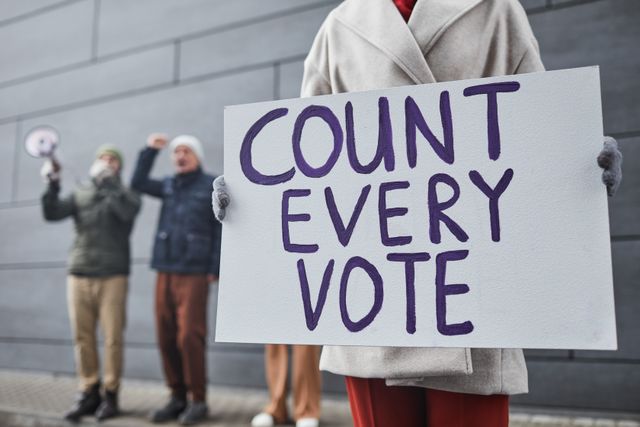

India’s electoral system is one of the largest democratic exercises in the world, involving hundreds of millions of voters, extensive administrative coordination, and a constitutional institution responsible for conducting elections. The accuracy of electoral rolls is fundamental to this process because these lists determine who is eligible to participate in elections. However, a nationwide revision of voter lists has become the centre of intense political controversy, triggering protests, allegations of voter exclusion, and demands for greater accountability from the Election Commission of India (ECI).
The controversy revolves around the Special Intensive Revision (SIR), an exercise intended to verify electoral records and identify entries that may be incorrect, duplicated, outdated, or associated with people who are no longer eligible to vote. The Election Commission maintains that accurate electoral rolls are necessary to protect the integrity of elections. Critics, including opposition parties and civil society groups, argue that the scale and implementation of the revision risk excluding legitimate voters, particularly people who face difficulties navigating documentation requirements or administrative procedures. Recent reporting has described more than 130 million names being removed from draft electoral rolls during the nationwide exercise, intensifying concerns about the accuracy and fairness of the process.
The resulting protests are about more than administrative corrections. They raise fundamental questions about electoral inclusion, institutional independence, citizenship verification, and the responsibility of democratic institutions to protect every eligible citizen’s right to vote. Understanding the controversy requires examining how the revision works, why political parties disagree over it, how errors can affect vulnerable communities, and what safeguards are necessary to maintain public confidence in India’s electoral system.
What Is the Special Intensive Revision of Voter Lists?
The Special Intensive Revision is a comprehensive exercise undertaken by the Election Commission to verify and update electoral rolls. Unlike routine corrections, which may involve adding newly eligible voters, removing confirmed deceased electors, or correcting addresses and other details, an intensive revision involves a broader review of existing entries. The stated objective is to ensure that electoral records accurately reflect the people legally entitled to vote.
The process began in Bihar in June 2025 and was subsequently expanded across states and Union Territories. It involves verification activities, including enumeration and the examination of voter records, with the participation of election officials and booth-level personnel. The Election Commission has argued that such a review is necessary to remove duplicate entries, update records for people who have died or relocated, and identify other ineligible entries.
Maintaining accurate electoral rolls is a legitimate administrative responsibility. Duplicate registrations can create confusion, outdated addresses can complicate election management, and incorrect records can undermine confidence in electoral procedures. A reliable voter list should include every eligible elector while excluding entries that do not meet the legal requirements.
The controversy arises over how these objectives are pursued. Critics question whether the verification process has placed an excessive burden on existing voters, whether sufficient notice and opportunities to respond have been provided, and whether the systems used to identify potentially invalid entries have been sufficiently transparent. The central issue is therefore not whether electoral rolls should be updated, but whether the revision process protects eligible voters from wrongful exclusion.
Why the Removal of Millions of Names Has Triggered Protests
The scale of the reported deletions has become one of the most contentious aspects of the revision. Reporting has described more than 130 million names being removed from draft rolls across the nationwide exercise, with categories including deceased individuals, people who have relocated, duplicate entries, and voters who could not be traced. These categories do not necessarily indicate wrongdoing, and the removal of an entry does not automatically establish that an eligible citizen has been unlawfully deprived of voting rights. Nevertheless, the scale has raised questions about the accuracy of the verification process and the effectiveness of safeguards for affected voters.
The concern is that a system designed to remove incorrect entries may also produce false exclusions. A person may be recorded as having moved permanently when they have only changed their temporary residence. A name may be incorrectly marked as belonging to a deceased person because of a data-entry error. A voter may remain eligible but be unable to complete the verification process because of missing documents, inaccessible records, or inadequate communication from local officials.
Such errors become especially serious when voters discover that their names have disappeared only after checking a draft electoral roll or attempting to participate in an election. Correcting an administrative error may require additional applications, visits to government offices, and repeated submissions of supporting documents. For people with limited resources, these procedures can become a significant barrier.
Opposition parties and protest groups have consequently demanded greater transparency, correction of wrongful deletions, and accountability from election officials. Some have accused the Election Commission of acting in a politically biased manner, allegations that the Commission and the ruling Bharatiya Janata Party have denied. These claims remain contested and should be distinguished from the separately verifiable question of whether individual eligible voters have been incorrectly removed.
The Political Battle Over Electoral Fairness
Voter-list revision has become a major political issue because electoral rolls determine who can participate in elections. Even when the administrative objective is presented as neutral, the consequences of errors can have political implications if affected voters are concentrated in particular constituencies or communities.
Opposition parties have argued that mass deletions could disproportionately affect groups less likely to support the ruling party. They have raised concerns about whether the revision could influence electoral outcomes, particularly in states where elections are closely contested. The BJP and the Election Commission have rejected allegations that the exercise is intended to manipulate the electorate.
It is important to distinguish between allegations of political intent and evidence of administrative impact. Establishing deliberate manipulation would require credible evidence about how decisions were made, whether rules were applied selectively, and whether officials acted with an improper purpose. Demonstrating that eligible voters were wrongly removed requires examining individual records, the reasons for deletion, the procedures followed, and the outcome of appeals.
However, the absence of established proof of deliberate manipulation does not make procedural concerns unimportant. An electoral process must be designed to minimise both intentional abuse and unintended exclusion. Transparent verification standards, accessible correction mechanisms, and independent scrutiny can help address genuine errors while reducing opportunities for political interference.
The controversy has also intensified debate about the Election Commission’s independence. As the constitutional body responsible for administering elections, the Commission depends not only on its legal powers but also on public confidence that its decisions are impartial. When large-scale administrative changes are contested, clear explanations and credible evidence of fair implementation become especially important.
How Voter-List Errors Affect Ordinary Citizens
For an individual citizen, electoral registration is not simply a database entry. It is the practical link between legal eligibility and the ability to exercise the right to vote. A person who has voted for years may reasonably be surprised to discover that their name is missing, incorrectly classified, or associated with outdated information.
Recent reports from Delhi have described voters who said they were marked as permanently shifted, untraceable, or deceased despite claiming that they remained eligible. In some cases, residents reported difficulties understanding why their records had changed or why they were being asked to complete additional registration procedures. Such accounts illustrate the practical challenges that can arise when large-scale verification interacts with incomplete or inconsistent records.
The burden of correcting an error can be unevenly distributed. A salaried worker may need to take time off to visit an election office, while a daily-wage worker may lose income by doing so. Elderly people, persons with disabilities, migrant workers, and individuals living in remote areas may face additional difficulties obtaining information or travelling to designated offices. Women whose names, addresses, or family records have changed may also encounter inconsistencies that require further verification.
These difficulties do not mean that verification should be abandoned. Rather, they demonstrate why administrative accuracy must be accompanied by accessible procedures. A reliable electoral system must not only identify ineligible entries but also provide a practical route for eligible citizens to establish and correct their registration.
Why Migrants, Poor Households, and Vulnerable Groups Face Greater Risks
Electoral administration often relies on records that may not fully reflect people’s changing circumstances. Internal migration, temporary employment, housing insecurity, marriage-related changes in residence, and inconsistent spelling across documents can create discrepancies. These are ordinary features of a large and mobile population, but they can become serious problems when a verification system interprets missing information or an unsuccessful visit as evidence that a voter is no longer eligible.
Migrants may spend part of the year working away from their registered residence while retaining their legal connection to their home constituency. People living in informal settlements may have difficulty demonstrating stable residential details. Families affected by displacement, natural disasters, or frequent relocation may find it harder to respond to official notices within a limited period.
Critics have also warned that documentation requirements may disproportionately affect poorer citizens and minority communities. Such concerns should be examined through reliable data about deletions, appeals, reinstatements, and the characteristics of affected populations rather than through assumptions about individual voters. If evidence demonstrates that certain groups face systematically higher exclusion rates, election authorities should investigate the causes and introduce corrective safeguards.
Citizenship verification is another sensitive issue in the debate. Electoral eligibility is governed by law, and authorities must apply the relevant legal requirements. At the same time, the purpose of revising electoral rolls must remain clearly defined, with officials acting within their statutory authority. The distinction between verifying electoral eligibility and making determinations reserved for other legal processes is important for preventing confusion and protecting individual rights.
The Election Commission’s Position and the Need for Transparency
The Election Commission has defended the revision as a necessary exercise to improve the accuracy of electoral rolls. From an administrative perspective, outdated entries and duplicate registrations can create difficulties in managing elections, maintaining records, and ensuring that the electoral system reflects eligible voters. Regular verification can therefore serve a legitimate democratic purpose.
However, the legitimacy of the objective does not automatically establish that every method used to achieve it is reliable. Large-scale revisions require accurate records, clear communication, trained field personnel, consistent standards, and opportunities for affected individuals to challenge mistakes. If a person is classified as deceased, relocated, or untraceable, the procedure should provide an effective means of examining that classification and correcting the record where necessary.
Transparency is particularly important when automated systems or centralised data processing are used to identify discrepancies. Technology can help officials process large volumes of information, but it can also reproduce errors if the underlying data are incomplete or inaccurate. The process should make clear how potentially invalid entries are identified, how human verification is conducted, and how objections are assessed.
The Election Commission’s credibility depends on its ability to demonstrate that verification is evidence-based and that eligible citizens are not excluded merely because their records contain inconsistencies. Independent audits, publicly available statistics, clear explanations for deletions, and meaningful appeal mechanisms could help establish whether the revision is achieving its stated objectives without causing disproportionate harm.
Internal Disagreements and Questions About Institutional Independence
The controversy has become more intense because questions have also been raised about decision-making within the Election Commission itself. Investigative reporting by The Indian Express described repeated objections by two Election Commissioners concerning aspects of the revision process, including how voters were being added or removed. These reports have fuelled demands for greater disclosure about the decisions taken during the exercise.
Internal disagreement does not, by itself, prove that a decision is unlawful or politically motivated. Institutional bodies can legitimately contain different views about administrative procedures and risk management. Nevertheless, recorded disagreements can raise important questions when they concern decisions affecting millions of citizens’ voting eligibility.
The appropriate response is transparent examination rather than assuming either that every allegation is true or that every institutional decision is beyond criticism. Relevant records, legal authority, procedural compliance, and the evidence supporting deletion decisions should be assessed through appropriate oversight mechanisms.
Institutional independence is especially important in election administration because public confidence depends on the perception that electoral rules are applied consistently, regardless of political affiliation. Clear decision-making procedures and meaningful internal checks can strengthen that confidence by showing that consequential decisions are subject to scrutiny rather than personal discretion.
Judicial Scrutiny and the Right to Participate in Elections
The voter-list controversy has also attracted legal attention. Courts can examine whether election-related procedures comply with applicable law, whether authorities have acted within their powers, and whether affected individuals have access to appropriate remedies. Judicial scrutiny is particularly significant when administrative decisions may affect the ability of eligible citizens to participate in an election.
The legal questions surrounding the revision include the scope of the Election Commission’s authority, the procedures required before an entry is removed, the evidence needed to justify a deletion, and the availability of effective correction mechanisms. The precise legal position depends on the relevant orders, statutory provisions, and judicial decisions. It is therefore important to distinguish ongoing legal scrutiny from a final determination that the entire exercise is unlawful.
Courts must also consider the need to maintain accurate electoral rolls and ensure that elections can proceed according to law. The challenge is to balance legitimate verification with safeguards against wrongful exclusion. Effective legal remedies should allow genuine errors to be corrected without creating unnecessary uncertainty or undermining lawful election administration.
For citizens, access to clear information about objections and appeals is crucial. If a name is missing from the draft roll, the individual should be able to understand the stated reason, identify the appropriate correction procedure, and receive a timely decision. An appeal mechanism that exists formally but is too difficult to use may fail to provide meaningful protection.
The Importance of Corrective Measures and Voter Assistance
The Election Commission has directed special enrolment drives in states and Union Territories where the revision has been completed, with the stated aim of helping voters who were left out of the rolls. The reported approach allows eligible individuals to seek registration through the prescribed process, including Form 6 where applicable.
Such corrective measures can help restore access to registration, but their effectiveness depends on whether citizens are informed about them and can complete the process without unnecessary barriers. Clear public notices, accessible application support, functioning help desks, and timely processing are essential. Authorities should also explain whether a person is correcting an existing record, appealing a deletion, or applying through a new-registration procedure, since these processes may have different implications.
Voter assistance should be available through multiple channels so that people who cannot use digital services are not left behind. Booth-level personnel, local election offices, recognised political-party representatives, and civil society organisations can help citizens understand official instructions and identify discrepancies. Assistance should remain impartial and based on the same rules for all eligible voters.
The effectiveness of corrective measures should be assessed through measurable outcomes. Authorities should report how many affected voters applied for restoration, how many applications were resolved, how many names were reinstated, and how long decisions took. Such information would help determine whether the process is correcting errors promptly or leaving a significant number of eligible voters without an effective remedy.
What the Controversy Means for Indian Democracy
The dispute over voter-list revision raises a broader question about the relationship between administrative efficiency and democratic inclusion. A voter roll must be accurate, but accuracy cannot be measured solely by the number of entries removed. It must also account for whether eligible citizens remain registered and whether errors can be identified and corrected before they prevent participation.
Public confidence in elections depends on more than the technical ability to conduct polling. It also relies on the belief that the rules governing participation are fair, understandable, and consistently applied. When voters fear that administrative errors could deprive them of their vote, confidence in electoral institutions may weaken even before a final legal determination is reached.
The controversy also highlights the importance of transparent communication between institutions and the public. Election authorities need to explain the reasons for major changes, provide evidence supporting their procedures, and acknowledge problems when they occur. Political parties and protest groups, meanwhile, have a responsibility to distinguish documented irregularities from allegations that remain unproven.
A constructive response requires both rigorous verification and strong protection against wrongful exclusion. Independent review, reliable data, accessible appeals, and timely correction can help reconcile these objectives. Such safeguards would benefit not only those affected by the current revision but also the credibility of future elections.
Conclusion
India’s voter-list revision has triggered nationwide political protests because it touches the foundation of democratic participation: the ability of eligible citizens to vote. The Special Intensive Revision was presented as a way to improve electoral accuracy, but the reported scale of deletions, complaints about incorrect classifications, concerns about documentation, and allegations of political bias have generated serious public debate.
The Election Commission maintains that the exercise is necessary to remove ineligible and duplicate entries, while critics argue that the process risks excluding genuine voters. These positions should be assessed through transparent evidence, reliable data, fair procedures, and appropriate legal scrutiny rather than political claims alone.
The central challenge is to ensure that electoral accuracy and voter inclusion reinforce each other rather than come into conflict. A credible electoral system must correct outdated records while protecting eligible citizens from administrative mistakes. It must provide accessible appeals, communicate decisions clearly, and demonstrate that its procedures are applied impartially.
Ultimately, the strength of Indian democracy depends not only on the conduct of election day but also on the fairness of the administrative processes that determine who can participate. A voter-list revision can strengthen democratic institutions when it is transparent, accurate, and inclusive. If it creates widespread uncertainty or makes eligible citizens struggle to establish their right to vote, it risks weakening the public trust that electoral administration is intended to protect.
Online Internship with Certificate
You may be interested
Journalists Detained During Political Protests: The Press-Freedom Debate
Anshika Jain - Oct 20, 2026Political protests are among the most important moments for journalism. They bring public grievances into the open, expose disagreements between citizens and governments, and reveal how democratic…
From Public Anger to Policy Reform: Do Protests Produce Lasting Institutional Change?
Anshika Jain - Oct 20, 2026Public protests are among the most visible expressions of collective dissatisfaction in a democratic society. When citizens gather to oppose government decisions, demand justice, challenge corruption, or…
The Role of Independent Oversight in Cases Involving Police or Public Officials
Anshika Jain - Oct 20, 2026Public trust in the justice system depends not only on the laws that govern society but also on whether those laws are applied fairly by the people…
Most from this category

Why Legal Deadlines Matter in Criminal Investigations and Victim Compensation
Anshika Jain - Oct 20, 2026
From Public Complaints to Court Action: How Citizens Can Challenge Administrative Decisions
Anshika Jain - Oct 20, 2026
Why Authorities Are Rethinking the Management of Large Public Demonstrations
Anshika Jain - Oct 15, 2026
TVK’s Bypoll Wins: What the Party’s First Electoral Test Reveals About Its Political Position
Anshika Jain - Oct 15, 2026
Why Legal Deadlines Matter in Criminal Investigations and Victim Compensation
Anshika Jain - Oct 20, 2026From Public Complaints to Court Action: How Citizens Can Challenge Administrative Decisions
Anshika Jain - Oct 20, 2026Why Authorities Are Rethinking the Management of Large Public Demonstrations
Anshika Jain - Oct 15, 2026