Why Restrictions on Journalists Covering Protests Raise Questions About Press Freedom

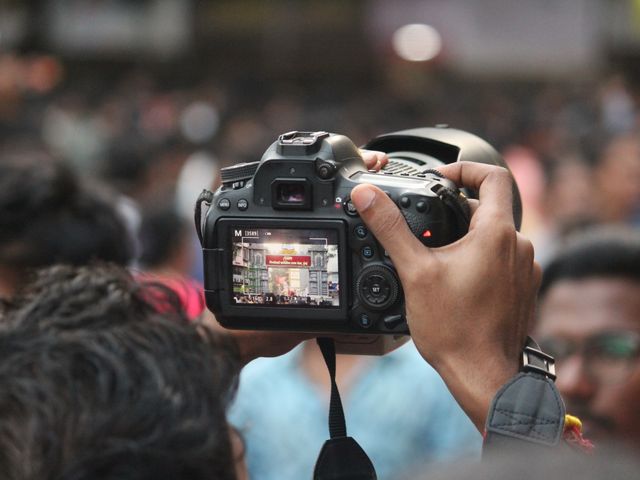

Public protests are among the most visible expressions of democratic participation. They provide citizens with an opportunity to challenge government decisions, demand accountability, raise concerns about injustice and draw attention to issues that might otherwise receive limited public attention. Journalists play a crucial role in documenting these events, explaining the reasons behind demonstrations and reporting how authorities respond. When journalists are restricted from covering protests, the consequences extend beyond individual reporters and news organisations. They can affect the public’s ability to understand events, evaluate official decisions and participate meaningfully in democratic debate.
Restrictions on protest coverage can take different forms, including detaining reporters, preventing access to demonstration sites, confiscating recording equipment, obstructing photography, threatening journalists or limiting their ability to transmit footage. Some restrictions may be introduced in response to genuine security concerns. However, when measures are excessive, indiscriminate or selectively applied, they raise important questions about press freedom, transparency and the limits of state authority.
The central issue is not whether journalists should be exempt from every law or safety requirement. Rather, it is whether authorities can maintain public order without unnecessarily obstructing independent reporting. A democratic society must be able to protect public safety while allowing journalists to document events that have significant public consequences.
Why Journalists Are Essential During Public Protests
Journalists provide a record of what happens during demonstrations. Their reporting can establish how a protest began, what participants demanded, whether a gathering remained peaceful, how the police responded and whether injuries, arrests or property damage occurred. These details help audiences distinguish verified events from political statements, rumours and competing accounts.
Protests are often highly contested situations in which different groups present different interpretations. Demonstrators may claim that authorities have ignored their demands, while officials may argue that restrictions were necessary to prevent disorder. Independent reporting helps the public assess these competing claims by gathering evidence, interviewing witnesses, examining visual material and seeking responses from relevant authorities.
The presence of journalists can also contribute to accountability. When the actions of police officers, protesters or public officials are documented, it becomes easier for independent observers to investigate allegations of excessive force, unlawful conduct or misinformation. Recording an event does not automatically establish wrongdoing, but it can preserve evidence that might otherwise disappear.
Journalists also provide context that immediate social media posts may lack. A short video can show a confrontation without revealing what happened before it began or how it ended. Professional reporting can verify the location, establish the sequence of events and include relevant perspectives. Restricting such coverage may leave audiences more dependent on incomplete footage, partisan commentary and unverified claims.
Recent Concerns in India: Journalists Detained While Covering Protests
The debate became particularly prominent in India following protests held on October 10 and 11, 2026, over allegations concerning revisions to electoral rolls and demands directed at the country’s Chief Election Commissioner. The allegations about voter-list changes were disputed, and the Election Commission denied claims of deliberate manipulation. The controversy nevertheless became a significant public event requiring independent reporting.
According to the Committee to Protect Journalists, dozens of journalists were detained while covering the demonstrations in Delhi and other cities, with some reportedly assaulted, obstructed or deprived of equipment. Reuters also reported that journalists from several media organisations were detained for hours. These accounts raised concerns about whether reporters were being prevented from performing legitimate professional duties.
The incidents attracted attention because journalists reported being detained despite identifying themselves as members of the press. The police response and the circumstances of individual detentions have been contested, so allegations about particular incidents should be assessed using available evidence and official explanations. However, the reported scale of the detentions created a broader question: how should authorities distinguish journalists documenting a protest from people participating in unlawful activity?
The issue also reached the Supreme Court. According to reporting by the Committee to Protect Journalists, the court received assurances from the Solicitor-General that journalists and other professionals would not be impeded in their work, while also emphasising that detention must follow the procedure established by law. The developments placed renewed attention on the need for clear safeguards during demonstrations.
On October 16, 2026, the Press Council of India issued guidance concerning journalists covering protests. As reported by Akashvani News, the guidance addressed press identification, professional conduct, crowd safety, verification of information and coordination with law enforcement. Such guidance can help prevent misunderstandings, but its effectiveness ultimately depends on how consistently journalists’ legitimate work is respected in practice.
These events should not be reduced to a single question of whether a particular police action was justified. They illustrate the importance of transparent procedures, proportionate enforcement and independent scrutiny whenever journalists are detained or obstructed during a public demonstration.
What Press Freedom Means in a Democratic Society
Press freedom is the ability of journalists and media organisations to gather, verify, publish and communicate information without improper interference. It does not mean that every report is accurate or that journalists can disregard legitimate laws. It means that government authorities should not use their powers to suppress reporting simply because the information is uncomfortable, critical or politically inconvenient.
In India, freedom of speech and expression is protected by Article 19(1)(a) of the Constitution. The Constitution does not separately list press freedom as an independent fundamental right, but the Supreme Court has recognised that press freedom forms an important part of the guarantee of freedom of expression. Article 19(2) permits reasonable restrictions on specified grounds, including public order, subject to constitutional requirements.
This framework creates a necessary balance. Authorities can impose lawful restrictions to address genuine threats, protect people from immediate danger or manage a dangerous crowd. However, a restriction should not become a convenient way to prevent scrutiny of official conduct. Its legal basis, purpose, scope and practical effect matter.
For example, directing reporters away from an active violent confrontation may be necessary to protect their safety and allow emergency services to operate. Preventing all journalists from recording a public event simply because the coverage could embarrass officials raises a very different concern. The first measure may address an identifiable risk; the second could interfere with the public’s access to information.
Press freedom is therefore not only a professional privilege for journalists. It is also a democratic safeguard that enables citizens to evaluate the exercise of public power.
When Do Restrictions Become a Threat to Press Freedom?
Not every restriction on media access constitutes censorship. The circumstances in which a restriction is imposed are essential to determining whether it is legitimate. Problems arise when a measure is broader than necessary, lacks a clear legal basis or appears designed to prevent particular information from reaching the public.
One major concern is arbitrary detention. If reporters are detained merely because they are present at a protest, wearing press identification or recording police activity, the distinction between reporting and participation becomes blurred. Detention may also prevent journalists from transmitting time-sensitive information, interviewing witnesses or preserving evidence.
Another concern is selective enforcement. If journalists from certain outlets are obstructed while others are allowed to report, questions arise about whether decisions are based on neutral safety rules or the content and perceived political position of their coverage. Establishing selective treatment requires evidence, but transparent and consistent procedures can reduce both the risk of discrimination and the perception of it.
Restrictions on equipment and recordings raise additional concerns. Confiscating cameras or phones, deleting footage or preventing journalists from documenting public events can deprive reporters of material needed to verify what happened. Any seizure or restriction must be assessed under applicable law and the facts of the situation. Destroying or deleting evidence without lawful justification can undermine both journalism and later accountability.
Digital restrictions can have similar consequences. Disruptions to mobile internet access may prevent journalists from livestreaming, sending photographs to editors or communicating with newsrooms. Governments may cite public safety when limiting communications, but broad measures can affect journalists and ordinary citizens alike. The necessity, geographical reach and duration of such restrictions therefore deserve scrutiny.
Finally, intimidation can operate without a formal ban. Threats, repeated questioning, physical aggression or the risk of arbitrary detention may cause journalists to avoid certain subjects. When reporters begin to anticipate punishment for covering sensitive demonstrations, self-censorship can become an indirect consequence of restrictions.
Public Order and Press Freedom: Finding the Right Balance
Authorities have a legitimate responsibility to protect public safety during demonstrations. Large crowds can become unpredictable, roads may need to remain accessible to emergency services, and clashes may expose protesters, journalists and bystanders to injury. Reporters are not immune from these risks, and responsible journalism requires awareness of changing conditions.
However, public order should not become a blanket justification for excluding the press. Restrictions should respond to identifiable risks and be no broader or longer-lasting than necessary. Where possible, authorities can establish designated media areas that offer a useful view of events without exposing journalists to immediate danger. They can communicate changes in crowd movement, provide safety instructions and identify officers responsible for coordinating with the media.
A safe reporting area should not become an unnecessarily remote location from which journalists cannot observe the relevant events. Similarly, temporary limits around a dangerous operation should not automatically become a general prohibition on documenting police conduct elsewhere. The practical effect of a restriction matters as much as its stated purpose.
International guidance reinforces this approach. UNESCO has called for the protection of journalists covering protests, emphasising their role in informing citizens and supporting public debate. The broader principle is that law enforcement agencies should protect journalists’ safety while allowing them to carry out their work.
Responsible reporting and public safety are not opposing goals. Clear communication, proportionate measures and mutual understanding can help journalists cover demonstrations without interfering with legitimate security operations.
The Chilling Effect: How Restrictions Can Encourage Self-Censorship
The impact of restricting protest coverage may continue long after a demonstration ends. When journalists witness colleagues being detained, assaulted or having equipment seized, they may reconsider whether it is safe to cover similar events in the future. Freelancers and small independent news organisations can be particularly vulnerable because they may have fewer legal, financial and organisational resources than large media houses.
This creates what is commonly described as a chilling effect. Journalists may avoid sensitive locations, refrain from filming official actions or choose not to investigate allegations involving powerful institutions. Editors may decide that assigning reporters to certain demonstrations carries unacceptable risks. Even without an explicit ban on publication, the threat of consequences can reduce the amount of information that reaches the public.
The effect can be especially serious during elections, anti-government demonstrations, labour disputes and protests concerning public policy. These are precisely the moments when independent information may be most important. If journalists cannot report freely, the public may receive an incomplete picture of events, and allegations of misconduct may become harder to investigate.
Self-censorship also weakens trust. Audiences who repeatedly see journalists obstructed may question whether the information available to them is complete. At the same time, misinformation can spread more easily when credible reporters are unable to verify claims from the scene.
The Role of Social Media and Citizen Journalism
Social media has changed how protests are documented. Participants and bystanders can share photographs, livestreams and eyewitness accounts within seconds. Such material can reveal events that traditional news organisations may not immediately witness, and it can provide leads for further investigation.
However, citizen-generated content cannot always replace professional journalism. Videos may be edited, incorrectly captioned or shared without essential context. Old footage can be presented as new, and the identity or location of the people shown may be unclear. In tense situations, false claims can spread before independent verification becomes possible.
Professional journalists help address these problems by checking original recordings, comparing different accounts, interviewing witnesses and requesting official responses. They also have a responsibility to avoid publishing information that unnecessarily exposes vulnerable individuals to harm.
When access to protests is restricted, the public may become more dependent on unverified online material. This makes the role of independent journalism more important, not less. Protecting reporters’ ability to observe events can improve the quality of public information while helping audiences distinguish evidence from speculation.
What Governments and Law Enforcement Agencies Should Do
Governments and police departments can reduce conflict by adopting clear, publicly available procedures for media coverage of demonstrations. Officers should receive training on identifying journalists, respecting lawful newsgathering and distinguishing reporting activity from conduct that may independently violate the law. Press credentials can help establish identity, although freelancers and citizen journalists may not always carry standard accreditation. Where identification is uncertain, reasonable verification procedures are preferable to automatic detention.
When a restriction is necessary, authorities should explain its legal basis and scope wherever circumstances permit. Instructions should be communicated clearly, applied consistently and limited to the immediate safety or operational concern. Detentions should follow the law, and allegations of assault, unlawful interference or improper equipment seizure should be investigated through credible and impartial processes.
News organisations also have responsibilities. Editors should prepare reporters for crowd-related risks, maintain reliable communication systems and establish procedures for responding to detention or injury. Journalists should verify information, identify themselves where feasible, maintain professional distance from confrontations and avoid interfering with police operations or participating in the demonstrations they cover.
The Press Council of India’s October 2026 guidance provides a relevant starting point for improving coordination and safety. But guidance alone cannot guarantee press freedom. Implementation, accountability and a willingness to protect legitimate reporting are equally important.
Why Independent Investigation and Accountability Matter
When journalists report that they have been obstructed or assaulted, the response should be based on evidence rather than assumptions. Relevant evidence may include video recordings, eyewitness testimony, medical documentation, detention records, police instructions and accounts from newsrooms. Authorities should be given a fair opportunity to respond, and findings should distinguish established facts from allegations that remain unresolved.
Independent review can help determine whether an officer acted lawfully, whether a journalist interfered with a legitimate operation or whether the response was disproportionate. Where misconduct is established, appropriate disciplinary or legal action can reinforce public confidence and discourage future violations. Where restrictions were lawful and necessary, transparent explanations can help clarify the circumstances.
Accountability should also extend to attacks on journalists by protesters or other private actors. Press freedom can be threatened by any party that uses violence or intimidation to prevent reporting. Protecting journalists requires a consistent principle: the right to document public events should not depend on whether the reporter’s coverage favours or criticises a particular group.
Conclusion: Protecting Journalism Protects the Public’s Right to Know
Restrictions on journalists covering protests raise questions about press freedom because demonstrations are important moments of public accountability. Journalists document the demands of citizens, the actions of authorities and the consequences of decisions made in the public sphere. When their work is obstructed without sufficient justification, the resulting information gap affects society as a whole.
Public safety and press freedom must be protected together. Authorities may take lawful and proportionate steps to prevent violence, preserve emergency access and protect people from immediate danger. Such responsibilities, however, do not justify indiscriminate detention, intimidation or the suppression of legitimate reporting. Clear rules, consistent enforcement, independent investigation and meaningful accountability can help maintain the necessary balance.
The reported detentions during India’s October 2026 protests and the subsequent guidance issued by the Press Council of India demonstrate why this issue deserves continued attention. The details of individual incidents must be established through evidence and due process, but the broader principle is clear: journalists should be able to report public events without fear of arbitrary interference.
A democratic society does not demonstrate its strength by ensuring that protests are invisible or that criticism is absent. It demonstrates its strength by allowing public events to be examined, disputed claims to be verified and the conduct of powerful institutions to be scrutinised. Protecting journalists covering protests is therefore not merely about defending the media. It is about preserving the public’s right to reliable information and ensuring that democratic accountability remains possible.
Online Internship with Certificate
You may be interested
When a Case Is Solved Years Later: How Forensic Advances Can Reopen Cold Investigations
Anshika Jain - Oct 22, 2026Some criminal investigations remain unresolved for years or even decades. Witnesses may be unable to identify a suspect, investigators may exhaust the available leads, and physical evidence…
Gold Smuggling Through Airports: How Investigators Trace Possible Links
Anshika Jain - Oct 22, 2026International airports are essential gateways for tourism, trade and global connectivity. Every day, thousands of passengers, airline employees, ground handlers, cargo workers and service providers move through…
Political Allegations Versus Verified Evidence: How Readers Can Separate Claims from Facts
Anshika Jain - Oct 22, 2026Political allegations are a regular feature of democratic life. Politicians accuse opponents of corruption, parties question government decisions, public figures challenge official statistics, and social media users…
Most from this category

Voter List Revision in India: How Can Citizens Verify That Their Names Have Not Been Omitted?
Anshika Jain - Oct 22, 2026
Jantar Mantar Controversy: Can a Protest Site Be Restricted Without Limiting Democratic Expression?
Anshika Jain - Oct 22, 2026
Six Years of Arrest Delays: What the Delhi Court’s MCOCA Criticism Reveals
Anshika Jain - Oct 21, 2026

Voter List Revision in India: How Can Citizens Verify That Their Names Have Not Been Omitted?
Anshika Jain - Oct 22, 2026Jantar Mantar Controversy: Can a Protest Site Be Restricted Without Limiting Democratic Expression?
Anshika Jain - Oct 22, 2026Six Years of Arrest Delays: What the Delhi Court’s MCOCA Criticism Reveals
Anshika Jain - Oct 21, 2026