Climate Adaptation Beyond Disaster Relief: Prevention Budgets Matter for Public Infrastructure

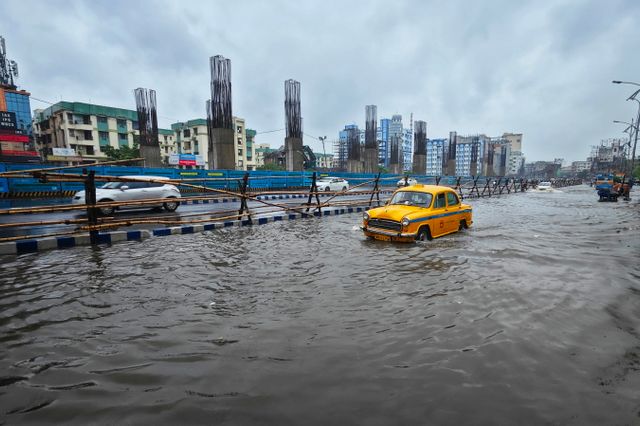

Climate change is increasingly challenging the reliability, safety and long-term affordability of public infrastructure. Roads, bridges, railway networks, drainage systems, water supply facilities, hospitals, schools and electricity grids are designed to serve communities for decades. However, rising temperatures, intense rainfall, prolonged droughts, floods, coastal erosion and other climate-related hazards are placing growing pressure on infrastructure systems that were often built using historical weather patterns and assumptions about environmental stability.
When a climate-related disaster damages infrastructure, governments typically mobilise emergency funding for rescue operations, temporary repairs, financial assistance and reconstruction. These measures are essential for protecting lives and restoring basic services. Yet a system that concentrates its resources primarily on responding to disasters may repeatedly pay to repair the same vulnerabilities instead of addressing their underlying causes. Roads may be rebuilt without improved drainage, flood-prone public buildings may be restored without additional protection, and water supply systems may remain exposed to recurring droughts.
This creates an important public policy question: should governments allocate a larger share of infrastructure funding to preventing climate-related damage before it occurs? Climate adaptation requires more than emergency preparedness. It involves identifying future risks, redesigning vulnerable assets, maintaining protective systems, improving land-use decisions and ensuring that public infrastructure remains functional under changing environmental conditions.
Prevention budgets are central to this transition because they finance measures that reduce exposure and vulnerability before a crisis develops. Although these investments may not produce the visible urgency associated with disaster relief, they can reduce future repair costs, protect essential services and limit economic disruption. The challenge is to make prevention a routine component of infrastructure planning rather than an optional activity that receives attention only after a major disaster.
Understanding Climate Adaptation in Public Infrastructure
From Disaster Response to Risk Reduction
Disaster relief focuses primarily on the immediate consequences of a hazardous event. It includes evacuation, emergency shelter, medical assistance, temporary restoration of electricity and water, debris removal and financial support for affected communities. These activities address urgent needs and remain indispensable when lives and livelihoods are at risk.
Climate adaptation operates across a longer timeframe. It involves adjusting infrastructure, institutions and public services to actual or expected climate conditions. Adaptation may include elevating electrical equipment above projected flood levels, redesigning urban drainage for more intense rainfall, developing heat-resistant road materials, strengthening coastal protection and diversifying water supplies in drought-prone regions.
The distinction is not that relief is unnecessary while prevention is always preferable. Rather, the two serve different purposes. Emergency response reduces immediate harm, while adaptation reduces the likelihood that climate hazards will cause severe damage in the first place. Effective public policy must fund both, with sufficient attention to the vulnerabilities that make repeated disasters costly.
The United Nations climate adaptation framework and the Intergovernmental Panel on Climate Change emphasise the importance of assessing climate risks, reducing vulnerability and integrating adaptation into development planning. These approaches encourage governments to move beyond isolated projects towards coordinated strategies that consider the long-term resilience of communities and infrastructure systems.
Why Existing Infrastructure Faces Increasing Risks
Many public assets were designed according to engineering standards, rainfall records, temperature ranges and hydrological assumptions derived from historical observations. Climate change can make these assumptions less reliable. An urban drainage network designed for past rainfall patterns may struggle with more intense downpours. A road surface exposed to higher temperatures may experience accelerated deformation. A water reservoir designed around historical inflows may become less dependable when rainfall patterns shift.
Infrastructure risks also emerge through interconnected systems. Flooding at one electricity substation may interrupt water pumping, hospital operations and telecommunications. A damaged bridge can disrupt emergency access, food distribution and commuting across an entire region. A prolonged heatwave can simultaneously increase electricity demand, place pressure on transport infrastructure and threaten the health of people who depend on public services.
Consequently, climate adaptation cannot be restricted to strengthening individual structures. Governments need to understand how hazards affect networks, how service disruptions spread and which assets are essential for maintaining public safety. Prevention budgets provide a mechanism for funding this broader view of resilience.
Why Prevention Budgets Matter
The Economic Cost of Repeated Reconstruction
Rebuilding damaged infrastructure can be expensive, particularly when emergency conditions require rapid procurement, temporary arrangements and urgent restoration. When the same asset is repeatedly damaged by similar hazards, governments may incur successive repair costs without significantly reducing future exposure.
Consider a road that floods during heavy rainfall because its drainage channels are undersized or poorly maintained. Repairing the damaged surface may restore traffic temporarily, but it does not resolve the underlying drainage problem. If the road floods again during the next intense storm, the government must fund another repair while businesses, commuters and emergency services experience further disruption.
A prevention budget can support drainage improvements, culvert replacement, slope stabilisation, flood modelling and scheduled maintenance. These measures require initial expenditure, but they may reduce the probability or severity of future damage. The financial benefit extends beyond construction costs because avoided disruptions can protect local economic activity and reduce the need for emergency interventions.
However, prevention should not be justified by assuming that every adaptation project will automatically save money. Its value depends on the hazard, the design, the asset’s expected lifespan, the cost of intervention and the consequences of failure. Governments need project-specific economic assessments that compare alternative options, including the cost of inaction and the possibility that some assets may need to be relocated or replaced rather than repeatedly repaired.
Protecting Public Services and Human Well-Being
The value of infrastructure extends far beyond its physical replacement cost. A damaged hospital can interrupt medical treatment, while a flooded school can prevent children from attending classes. Water supply failures can create public health risks, and power outages can affect households, businesses and essential services simultaneously.
Climate prevention budgets help reduce these consequences by protecting the infrastructure on which communities depend. Investments in backup power, heat-resistant buildings, flood protection, resilient water systems and alternative transport routes can help essential services continue operating during extreme weather.
The benefits are particularly significant for people with limited resources to recover from disruption. Low-income households may be less able to pay for alternative transport, purchase private water supplies or relocate temporarily when their neighbourhood is affected by flooding. People with disabilities, older adults and individuals requiring regular medical care may face additional difficulties when infrastructure services fail.
Adaptation spending therefore has a social dimension. Governments should evaluate projects not only by the value of the physical assets protected but also by the number of people who rely on those assets, their ability to recover and the consequences of prolonged service interruption.
Where Prevention Budgets Can Make the Greatest Difference
Climate-Resilient Transport Infrastructure
Transport networks are particularly vulnerable to flooding, extreme heat, landslides and coastal hazards. Roads can deteriorate under prolonged heat, bridges may face stronger flood flows, and railway embankments can become unstable when exposed to excessive rainfall. Damage to transport infrastructure can isolate communities, interrupt supply chains and delay emergency services.
Prevention budgets can finance climate-risk assessments before construction, stronger drainage systems, improved slope protection, heat-resistant materials and the redesign of bridges exposed to changing flood conditions. Maintenance funding is equally important because blocked drains, deteriorating retaining walls and damaged protective structures can turn manageable weather events into serious infrastructure failures.
Governments should also evaluate the resilience of entire transport networks rather than concentrating exclusively on individual assets. A strong bridge offers limited protection if the connecting road floods repeatedly. Alternative routes, strategically located emergency access points and coordinated maintenance plans can help ensure that the failure of one component does not disable an entire transport corridor.
Water Supply, Drainage and Urban Infrastructure
Water infrastructure faces risks from both excessive water and water scarcity. Intense rainfall can overwhelm drainage systems, contaminate water supplies and damage treatment facilities. Prolonged droughts can reduce reservoir levels, increase pressure on groundwater and disrupt agricultural and urban water availability.
Prevention spending can support rainwater harvesting, leakage reduction, wastewater reuse, groundwater recharge where appropriate, flood-resistant pumping stations and improved stormwater management. Cities can also use permeable surfaces, urban wetlands and green corridors to reduce runoff and improve water retention, provided these measures are designed for local environmental conditions.
Such investments are particularly important in rapidly growing cities, where expanding built-up areas may increase runoff and place additional pressure on ageing drainage systems. Infrastructure planning should account for future rainfall and temperature scenarios instead of assuming that past environmental conditions will remain unchanged.
Hospitals, Schools and Electricity Networks
Hospitals, schools and electricity systems require special attention because their failure can produce consequences beyond direct property damage. Hospitals must maintain power, cooling, clean water and access for emergency vehicles during extreme weather. Schools need safe buildings and reliable facilities to protect students and minimise interruptions to education. Electricity networks must withstand heat stress, storms, flooding and other hazards that may affect generation, transmission and distribution.
Prevention budgets can support backup energy systems, improved building insulation, heat-management measures, flood protection for electrical equipment and more resilient utility connections. Hospitals and other essential facilities may also require emergency water storage, protected communication systems and alternative access arrangements.
Investment decisions should consider the consequences of service interruption, not merely the physical cost of repairing an asset. A relatively inexpensive intervention that keeps a critical hospital operational during a flood may provide greater public value than a larger investment in an asset whose temporary closure has fewer consequences.
How Governments Can Build Prevention Into Public Budgets
Climate Risk Assessments Before Project Approval
One of the most effective ways to reduce future adaptation costs is to assess climate risks before infrastructure is built. Project approvals should consider the location of an asset, its expected lifespan, the hazards it may encounter and the consequences of failure. These assessments should inform decisions about construction materials, drainage capacity, elevation, design standards and the suitability of the proposed location.
The World Bank’s guidance on climate change and infrastructure notes that incorporating adaptation measures during the early stages of a project can be less costly than retrofitting an asset after construction. The exact cost depends on the project and its environment, but early planning can avoid expensive redesigns and reduce the risk of infrastructure becoming unsuitable during its intended service life.
Climate risk assessments should not become a paperwork exercise completed only to satisfy approval requirements. Their findings must influence actual engineering designs, procurement decisions and maintenance plans. Where uncertainty is substantial, governments can use flexible designs that allow infrastructure to be strengthened as climate risks become clearer.
Tracking Prevention Spending Through Climate Budgeting
A major challenge in public finance is identifying how much money is genuinely being spent on climate adaptation and disaster risk reduction. Funding may be distributed across transport, housing, water, energy, health and local government departments, making it difficult to determine whether spending is reducing risk or simply repairing damage after an event.
Climate budget tagging can help governments identify and track expenditure associated with adaptation and disaster risk reduction. Under this approach, relevant budget items are classified according to agreed criteria, allowing authorities to examine allocations, actual expenditure and progress over time. The United Nations Office for Disaster Risk Reduction has published guidance on integrating climate adaptation and disaster risk reduction into public budget tracking.
However, tagging alone does not guarantee effective spending. A project labelled climate-related may provide limited adaptation benefits if it does not address a clearly identified risk. Governments must therefore connect budget classifications to measurable objectives, transparent reporting and independent evaluation.
Protecting Maintenance Funding
Prevention is not limited to major construction projects. Routine maintenance is often one of the most practical ways to preserve infrastructure resilience. Cleaning drainage channels, repairing road surfaces, inspecting bridges, maintaining embankments and servicing flood-control equipment can reduce the likelihood that small defects develop into costly failures.
Maintenance budgets are sometimes reduced when governments face immediate fiscal pressures because the consequences of delayed work may not become visible until later. This creates a risk that short-term savings will generate larger future costs. Climate adaptation planning should therefore establish maintenance schedules based on asset condition, exposure to hazards and the consequences of failure.
Asset-management systems can help authorities prioritise maintenance by combining inspection records, climate projections, service criticality and estimated repair costs. This allows limited funds to be directed towards the assets where deterioration presents the greatest risk to public safety and service continuity.
Measuring Whether Prevention Budgets Work
Moving Beyond the Amount of Money Spent
The success of an adaptation programme should not be measured solely by the amount allocated or spent. Governments need to determine whether investments actually reduce vulnerability and improve the reliability of public services.
Useful measures include reductions in infrastructure downtime, fewer repeated repairs, improved drainage performance, shorter service interruptions and greater access to essential facilities during extreme weather. Authorities can also assess whether vulnerable communities experience fewer disruptions and whether emergency expenditure declines over time.
These indicators require careful interpretation. A year with few major climate hazards may produce low damage costs even if prevention measures have little effect. Conversely, a severe event may cause damage despite well-designed adaptation investments. Evaluation should therefore compare outcomes against plausible risk scenarios and consider the severity of the hazards encountered.
Long-term monitoring is especially important because adaptation benefits may become visible only over several years. Public reporting should explain what was funded, which risks were targeted, what changed and what remains uncertain.
Avoiding Maladaptation
Not every project described as protective necessarily reduces overall climate risk. A flood barrier may protect one neighbourhood while transferring water towards another. Extensive groundwater extraction may temporarily relieve water shortages but worsen long-term depletion. Infrastructure built to defend a vulnerable site may encourage further development in an area that remains exposed to future hazards.
These outcomes illustrate the importance of avoiding maladaptation: interventions that unintentionally increase vulnerability, shift risk to other communities or create new environmental problems.
Prevention budgets should therefore support integrated assessments that examine environmental impacts, social equity and the wider effects of infrastructure decisions. Nature-based solutions may complement engineered structures where local conditions support them, while relocation or managed retreat may sometimes be more sustainable than repeatedly rebuilding assets in locations facing escalating risks.
Financing Climate Adaptation Without Undermining Public Services
Governments often face competing demands for healthcare, education, housing, transport and social protection. Allocating more money to climate prevention can be difficult when immediate public needs already exceed available resources. The objective should not be to divert essential funding indiscriminately, but to incorporate climate resilience into existing investment decisions and develop predictable financing mechanisms.
Domestic public budgets can provide a foundation, while development banks, concessional finance, climate funds and carefully structured public-private partnerships may help support eligible projects. Private capital can contribute where projects offer suitable financial returns, but essential public infrastructure often requires government funding because many of its benefits, such as reduced disaster losses and uninterrupted public access, cannot be captured through direct revenue alone.
Financial planning should also distinguish between predictable adaptation expenditure and emergency reserves. Governments need resources for urgent response even when prevention investments are strong, because not every climate-related impact can be avoided. Pre-arranged financing, insurance where appropriate and contingency funds can complement prevention budgets by making recovery less dependent on improvised funding decisions after a disaster.
The United Nations Office for Disaster Risk Reduction has highlighted the persistent imbalance between spending after disasters and financing prevention beforehand. Its work on resilience financing calls for risk-informed investment decisions and stronger integration of prevention into public financial systems.
Conclusion
Climate adaptation must become a routine responsibility of public infrastructure planning rather than an activity activated primarily after disasters. Emergency relief remains essential for protecting lives and restoring services, but it cannot substitute for investment in reducing the vulnerabilities that make repeated damage possible.
Prevention budgets can strengthen roads, bridges, drainage systems, water supplies, hospitals, schools and electricity networks before climate hazards interrupt their operation. They can also finance risk assessments, routine maintenance, improved design standards and monitoring systems that help governments identify problems before they become emergencies.
The transition requires more than increasing allocations. Public authorities must ensure that projects address verified risks, maintenance funding remains dependable, expenditure is tracked transparently and outcomes are evaluated over time. They must also recognise that effective adaptation protects not only infrastructure assets but the people who depend on them.
Ultimately, prevention spending should be understood as an investment in the continuity of public services, the stability of local economies and the long-term value of public resources. Governments cannot prevent every flood, heatwave or drought, but they can make infrastructure less vulnerable to these hazards. By placing prevention at the centre of public budgeting, they can move away from a cycle of repeated reconstruction towards a more resilient and financially responsible approach to development.
You may be interested

AI in Police Investigations: Automated Risk Scores Introduce Bias Into Law Enforcement
Anshika Jain - Oct 26, 2026Artificial intelligence is becoming an increasingly important part of modern law enforcement. Police departments and investigative agencies can use AI-powered tools to analyse large volumes of records,…

Can Synthetic Media Influence Elections? Challenges of Detecting Manipulated Political Content
Anshika Jain - Oct 26, 2026Elections depend on more than voting machines, polling stations, and ballot counting. They also depend on the information voters receive before making their decisions. Political speeches, interviews,…

Who Is Liable When an AI System Makes a False Accusation?
Anshika Jain - Oct 26, 2026Artificial intelligence is increasingly being used to identify suspicious transactions, detect potential fraud, monitor workplace activity, evaluate job applicants, support law enforcement, and analyse online behaviour. These…
Most from this category

AI Voice Cloning Scams: How Can Families Verify an Emergency Call Before Sending Money?
Anshika Jain - Oct 26, 2026
Railway Safety in Landslide-Prone Regions: Role of Sensors and Early-Warning Systems
Anshika Jain - Oct 26, 2026

Women’s Safety After Dark: Why Street Design, Police Response Must Work Together
Anshika Jain - Oct 23, 2026
AI Voice Cloning Scams: How Can Families Verify an Emergency Call Before Sending Money?
Anshika Jain - Oct 26, 2026Railway Safety in Landslide-Prone Regions: Role of Sensors and Early-Warning Systems
Anshika Jain - Oct 26, 2026Why Do Heavy Rains Disrupt Transport Beyond the Monsoon Season?
Anshika Jain - Oct 23, 2026