

Cybercriminals and Fake Online Platforms: How Users Are Being Tricked by Trusted Websites

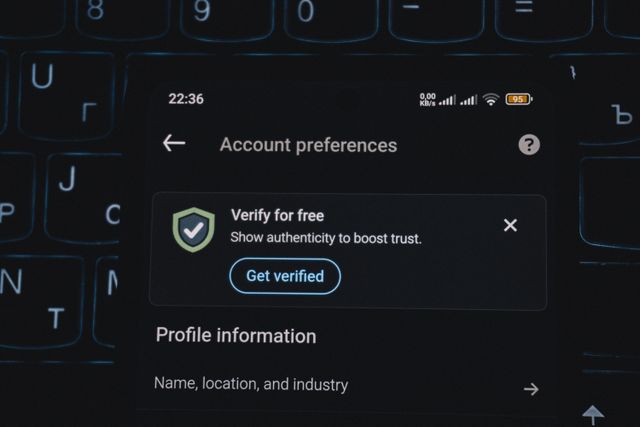

The internet has transformed the way people communicate, shop, study, work, make payments, and access essential services. With just a smartphone and an internet connection, users can purchase products, register for courses, apply for jobs, transfer money, and connect with businesses across the world. However, this convenience has also created new opportunities for cybercriminals. As people increasingly depend on online platforms, scammers are developing sophisticated methods to imitate trusted websites, misuse familiar brand identities, and manipulate users into sharing sensitive information.
Fake online platforms are no longer limited to poorly designed websites with obvious spelling mistakes. Modern cybercriminals can create convincing copies of banking portals, shopping websites, educational platforms, job portals, investment services, and customer-support pages. These fraudulent platforms often use professional layouts, familiar logos, fake reviews, and misleading advertisements to appear legitimate. Some even use domain names that closely resemble genuine websites, making it difficult for users to identify the deception immediately.
The danger becomes greater when users assume that a website is safe simply because it looks professional or appears in search results. Trust should be based on verification rather than appearance. Understanding how fake platforms operate, why people fall for them, and what practical steps can reduce risk is essential for maintaining digital safety.
The Growing Threat of Fake Online Platforms
Fake online platforms are websites, applications, or digital services designed to imitate legitimate businesses or institutions. Their objective may be to steal login credentials, collect payment information, obtain personal documents, distribute malware, or persuade users to transfer money. In some cases, criminals create an entirely false platform. In other cases, they imitate an existing brand and redirect users to a fraudulent page.
These scams can target almost anyone. Students may encounter fake scholarship websites, examination registration portals, online course platforms, or internship offers. Job seekers may be directed to counterfeit recruitment websites that request registration fees or identity documents. Shoppers may see fraudulent stores offering unusually low prices. Banking customers may receive messages directing them to imitation payment or account-verification pages.
The professional appearance of a platform can create a false sense of security. A website may include a company logo, customer testimonials, contact information, terms and conditions, and payment gateways that appear genuine. However, these elements can be copied or fabricated. Criminals understand that users often make quick decisions based on familiarity and convenience, so they design scams to reduce the time available for careful verification.
How Cybercriminals Imitate Trusted Websites
Copying Brand Identity and Website Design
One of the most common techniques involves copying the visual identity of a legitimate organization. Criminals may reproduce logos, colors, fonts, menus, product images, and page layouts. A fake website may look almost identical to the original, especially when users access it through a smartphone with a smaller screen.
The imitation is intended to exploit brand familiarity. When users recognize a company name or logo, they may assume that the platform is authentic without checking its web address. This is particularly dangerous when the fake website is promoted through advertisements, social media messages, or search-engine results.
A website’s appearance alone cannot prove its legitimacy. Visual elements are relatively easy to duplicate, while the actual domain, ownership, security practices, and official communication channels require more careful examination.
Using Similar Domain Names
Cybercriminals frequently register domain names that resemble those of genuine organizations. They may use additional words, unusual spellings, hyphens, different domain extensions, or minor character changes. For example, a fraudulent website might include the name of a popular company along with words such as “support,” “verification,” “offers,” or “official.”
Users who quickly read a web address may overlook these differences. Some fraudulent links also use shortened URLs or redirects, making it harder to identify the final destination before opening the page.
A secure connection indicated by “HTTPS” is helpful because it encrypts data in transit, but it does not automatically mean that the website is genuine. Scam websites can also obtain valid security certificates. Users must therefore verify the complete domain name and confirm that it matches the organization’s official website.
Exploiting Search Results and Online Advertisements
Many people trust websites that appear near the top of a search engine. Cybercriminals can exploit this assumption through misleading advertisements, manipulated search visibility, or deceptive pages that target popular search queries. A fake customer-care number, discount offer, or account-verification website may appear when someone searches for help.
Users may click on a sponsored result without recognizing that it is an advertisement rather than an official listing. Criminals can also use advertisements on social media platforms to promote fake products, investment schemes, educational programs, or employment opportunities.
Search engines and advertising platforms use systems to identify harmful content, but fraudulent pages can still reach users. It is safer to access important services by typing the known official address directly, using a verified application, or navigating through a trusted organization’s official communication.
Using Fake Customer Support Channels
Customer-support impersonation has become another common method of online fraud. Users searching for help with a failed payment, account issue, delivery problem, or technical error may find fake support numbers or social media accounts. Fraudsters often pretend to represent banks, e-commerce companies, digital wallets, or technology providers.
After contacting the user, the scammer may request an OTP, password, card details, remote-access permission, or an immediate payment. Some criminals direct users to a fake support website where they are asked to enter sensitive information. Others persuade victims to install remote-access applications, claiming that the software is required to resolve the problem.
A genuine customer-support representative should not require users to share confidential passwords, PINs, or one-time authentication codes. Users should locate contact details through the organization’s official website or application rather than relying on numbers provided in unsolicited messages.
Why Users Trust Fake Websites
Familiarity Creates False Confidence
People tend to trust platforms they recognize. When a website uses the name and branding of a well-known business, users may assume that the service is authentic. This psychological response is especially strong when people are in a hurry or have previously used the genuine platform.
Cybercriminals exploit this familiarity by copying established brands and presenting fraudulent services as official. The FBI explains that spoofing can involve disguising website URLs, sender information, or other communication details to make criminals appear trustworthy. Such techniques can lead users to reveal personal and financial information.
Urgency Reduces Careful Thinking
Fake platforms often create a sense of urgency. A message may claim that an account will be blocked, a payment will fail, a limited discount is about to expire, or a job application must be completed immediately. Users may respond quickly because they fear losing access, money, or an opportunity.
Urgency prevents people from asking important questions. Instead of independently checking the website, they may click the provided link and follow the instructions. The Federal Trade Commission identifies unexpected account problems, requests for personal information, and urgent payment instructions as common warning signs of phishing scams.
A trustworthy organization generally gives users reasonable time to verify a request. Messages that pressure people to act immediately should be treated with caution.
Attractive Offers Encourage Impulsive Decisions
Discounts, scholarships, investment returns, free gifts, and employment opportunities are frequently used to attract attention. A fake platform may advertise expensive products at unusually low prices or promise financial benefits that appear unrealistic.
For students, an advertisement promising guaranteed internships or government examination success may seem attractive. Job seekers may be tempted by offers that claim to provide immediate employment after a small registration payment. Consumers may also place orders on websites offering premium products at prices far below the market rate.
An attractive offer is not necessarily fraudulent, but unrealistic promises and pressure to pay quickly should encourage additional verification. Fraudsters often use scarcity and exaggerated benefits to make users act before examining the details.
Common Types of Fake Online Platforms
Fake Shopping Websites
Fraudulent shopping websites may copy product images, descriptions, customer reviews, and payment pages from legitimate retailers. After receiving payment, the operators may send counterfeit products, deliver nothing, or collect payment details for further misuse.
Some fake stores use social media advertisements to attract customers. A user may click on an advertisement, visit a professionally designed store, and complete an order without checking the company’s history or contact information.
Before making a purchase, consumers should examine the domain name, verify the seller’s contact details, research independent reviews, and review the return and refund policy. A website that only provides a generic email address or lacks clear business information deserves additional scrutiny.
Fake Banking and Payment Websites
Banking and payment-related scams can have serious consequences because they target financial credentials and authentication information. Users may receive messages claiming that their bank account requires verification or that a transaction has been blocked. The link directs them to a fake login page that resembles the bank’s website.
When users enter their username, password, card number, or other sensitive information, the details may be captured by criminals. In some cases, victims are also asked to share OTPs or approve transactions through their mobile devices.
Banks and payment providers have specific security procedures, but users should not assume that every message containing a familiar logo is authentic. Financial services should be accessed through official applications, known website addresses, or independently verified customer-support channels.
Fake Education and Internship Platforms
Students and fresh graduates are increasingly dependent on online platforms for courses, certifications, internships, scholarships, and career opportunities. Cybercriminals can exploit this demand by creating websites that imitate educational institutions, training providers, or recruitment organizations.
A fake education platform may advertise certificates, guaranteed placements, international opportunities, or paid internships. It might request registration fees, identity documents, academic records, or personal information. After collecting the payment or documents, the platform may become inaccessible.
Students should verify whether the institution or training provider has an official website, a legitimate physical identity, transparent policies, and verifiable contact information. Claims about partnerships, accreditation, certificates, and placement guarantees should be independently checked rather than accepted solely because they appear on a promotional page.
Fake Government and Public-Service Websites
Government-related services are also imitated by scammers. Fake platforms may claim to help users apply for certificates, subsidies, refunds, examinations, licenses, or public benefits. The website may use official-looking language and symbols to create a sense of authority.
Users should confirm government website addresses through official government portals and announcements. They should be cautious when a website asks for unnecessary personal information, unusual payment methods, or immediate action. A government-related logo or official-sounding name does not independently establish authenticity.
The Role of Phishing in Website Fraud
Phishing is a major technique used to direct users toward fraudulent platforms. It commonly begins with an email, SMS, phone call, social media message, or QR code. The communication may claim to come from a bank, online store, employer, educational institution, or another trusted organization.
The user is encouraged to click a link, download an attachment, log in, or provide information. The destination may be a fake website designed to collect credentials or distribute harmful software. Phishing messages often combine impersonation, urgency, and a convincing request to make the interaction appear genuine.
QR-code phishing, sometimes called quishing, adds another layer of difficulty. A user may scan a code displayed in an email, poster, advertisement, or message and be redirected to a fraudulent website. Since the destination is not always visible before scanning, users should verify the source of a QR code and examine the resulting web address carefully.
Warning Signs That a Website May Be Fake
Suspicious Website Addresses
The domain name should be examined carefully before users enter personal or payment information. Minor spelling changes, unfamiliar extensions, extra words, and misleading subdomains can make fraudulent websites appear legitimate.
Users should identify the actual registered domain rather than focusing only on the first words in the address. For example, a web address containing a trusted brand name before another domain does not necessarily belong to that brand. It is important to understand which organization controls the primary domain.
Unreasonable Promises and Pressure
Promises of guaranteed employment, extraordinary investment returns, free high-value products, or immediate financial rewards should be assessed critically. A website that insists on immediate payment or threatens penalties if the user does not act quickly may be attempting to manipulate the visitor.
Scammers often use pressure to discourage users from consulting family members, checking official sources, or comparing information. Taking time to verify an offer is an important protective measure.
Limited Business Information
A legitimate business generally provides information about its services, contact channels, terms of use, privacy practices, and refund or cancellation procedures where applicable. Missing or copied information can be a warning sign.
However, the presence of these pages does not automatically prove that a website is genuine. Criminals can copy policies and create fictional company details. Users should compare the information with independent sources and avoid relying on a single website’s claims.
Unusual Payment Methods
Fraudulent platforms may insist on bank transfers, cryptocurrency, gift cards, or payments to personal accounts. Some may discourage users from using payment methods that provide transaction records or buyer protections.
Before paying, users should understand who will receive the money, whether the payment method is appropriate, and whether the organization has a verifiable refund process. The UK’s National Cyber Security Centre recommends checking the legitimacy of online shops and being cautious about suspicious payment requests.
How Users Can Protect Themselves
Access Websites Through Verified Channels
One of the simplest ways to reduce risk is to avoid clicking unexpected links. Instead, users can type the official website address manually, use a saved bookmark created from a verified source, or open the official mobile application.
When searching for a company online, users should review search results carefully and distinguish advertisements from organic listings. They should not automatically assume that the first result is the official website. For important services, the organization’s verified social media accounts or official documentation can help confirm the correct domain.
Use Strong and Unique Passwords
Reusing the same password across multiple websites increases the impact of a successful phishing attack. If criminals obtain a password from one platform, they may attempt to use it on email, shopping, social media, or financial accounts.
Users should create strong, unique passwords and consider using a reputable password manager. Multi-factor authentication provides an additional layer of protection because logging in may require a second verification method. The FBI and FTC both recommend enabling multi-factor authentication on accounts that support it.
Never Share OTPs or Confidential Credentials
One-time passwords, banking PINs, passwords, recovery codes, and authentication approvals should be treated as confidential. Users should not share them with callers, chat representatives, recruiters, or anyone claiming to offer technical assistance.
Even when a message appears to come from a trusted organization, users should verify the request independently. Criminals may use stolen information to make their impersonation more convincing.
Keep Devices and Browsers Updated
Software updates often include security improvements that address known vulnerabilities. Users should update their operating systems, browsers, applications, and security tools regularly. They should also avoid installing unknown applications or browser extensions requested by suspicious websites.
A website that unexpectedly asks users to install software, enable unusual permissions, or download files before continuing should be treated cautiously. Security warnings from browsers and antivirus tools should not be ignored without understanding the risk.
What to Do If You Have Visited a Fake Website
Discovering that a website may be fraudulent can be stressful, but taking immediate and organized action can reduce further harm. The appropriate response depends on what information or access the user provided.
If a user only opened a suspicious page without entering information or downloading anything, they should close the page and avoid returning to it. If a password was entered, it should be changed immediately through the genuine website, especially if the same password is used elsewhere. Multi-factor authentication should be enabled where available.
If banking information, card details, or payment credentials were shared, the user should contact the bank or payment provider through official channels. They should monitor account activity and ask about available protective measures. If money has already been transferred, reporting the transaction quickly may improve the chances of intervention, although recovery is not guaranteed.
If a suspicious file was downloaded or remote access was granted, the user should disconnect the affected device from the internet when appropriate, run a trusted security scan, uninstall unauthorized software, and seek professional technical assistance. Important accounts should be reviewed from a safe device.
Users should also preserve evidence such as screenshots, website addresses, transaction records, messages, and email headers. This information may be useful when reporting the incident to relevant authorities, banks, platforms, or cybersecurity organizations.
The Importance of Reporting Online Fraud
Reporting suspicious websites and fraudulent communications helps organizations identify patterns and protect other users. People may hesitate to report a scam because they feel embarrassed or believe that no action will be taken. However, reporting can support investigations and improve the detection of malicious activity.
In India, users affected by online financial fraud can report incidents through the official cybercrime reporting system and seek assistance through appropriate government channels. For urgent financial fraud, contacting the relevant bank and official cybercrime helpline promptly is important. Users should rely on verified government sources for current reporting procedures and avoid third-party individuals who promise guaranteed recovery of lost money.
Organizations and platforms also have a responsibility to make reporting accessible. Clear complaint procedures, responsive customer support, security warnings, and fraud-awareness campaigns can help users respond more effectively.
How Businesses Can Build Greater Online Trust
The responsibility for online safety does not belong only to individual users. Businesses, educational institutions, banks, marketplaces, and technology platforms must also protect their customers from impersonation and fraud.
Organizations should clearly communicate their official website domains, customer-support numbers, payment policies, and legitimate communication methods. They should warn customers that employees will not request passwords, PINs, or OTPs. Regular monitoring can help identify fraudulent websites and social media accounts misusing the organization’s name.
Websites should use secure authentication, privacy-conscious data collection, fraud monitoring, and appropriate access controls. They should also provide clear information about how customers can report suspicious activity. Trust develops when organizations consistently communicate transparently and respond responsibly to security concerns.
Digital literacy is equally important. Schools, colleges, coaching institutes, employers, and community organizations can teach users how to identify phishing, examine URLs, protect passwords, and verify online offers. These skills are valuable for students, working professionals, older adults, and first-time internet users.
Conclusion
Fake online platforms demonstrate how cybercriminals exploit trust in an increasingly digital society. By copying familiar websites, imitating respected brands, using misleading advertisements, and creating urgent situations, criminals attempt to convince users that fraudulent services are genuine. The deception can result in financial loss, identity theft, account compromise, privacy violations, and malware infections.
The most effective response is not to stop using online services but to use them more carefully. Users should verify website addresses, avoid unexpected links, question unrealistic promises, protect confidential information, enable multi-factor authentication, and access important services through official channels. A professional design, familiar logo, or secure connection cannot independently prove that a platform is legitimate.
Online Internship with Certificate
You may be interested

Why Authorities Are Rethinking the Management of Large Public Demonstrations
Anshika Jain - Oct 15, 2026Large public demonstrations have become an important feature of modern democratic societies. From student movements and workers’ strikes to political rallies, environmental campaigns and protests demanding government…

TVK’s Bypoll Wins: What the Party’s First Electoral Test Reveals About Its Political Position
Anshika Jain - Oct 15, 2026The Tamilaga Vettri Kazhagam (TVK), led by Tamil Nadu Chief Minister C. Joseph Vijay, has cleared its first major electoral test since forming the state government. The…

Why Tribal Students Are Marching for Education and Equal Opportunities
Anshika Jain - Oct 15, 2026Education is widely recognised as a pathway to social mobility, economic independence and equal participation in society. For many tribal students in India, however, the journey towards…
Most from this category

Student Protests Over Hostel Facilities: Basic Infrastructure Is Political Issue
Anshika Jain - Oct 15, 2026
Campus Curfews and Women’s Freedom: Safety Rules Become a Discrimination?
Anshika Jain - Oct 15, 2026
When Opposition Leaders Face Detention: The Legal Boundaries of Political Protest
Anshika Jain - Oct 15, 2026
Why Internal Disagreements Within Constitutional Institutions Matter to Public Trust
Anshika Jain - Oct 14, 2026
Student Protests Over Hostel Facilities: Basic Infrastructure Is Political Issue
Anshika Jain - Oct 15, 2026Campus Curfews and Women’s Freedom: Safety Rules Become a Discrimination?
Anshika Jain - Oct 15, 2026When Opposition Leaders Face Detention: The Legal Boundaries of Political Protest
Anshika Jain - Oct 15, 2026