
Migration Crisis and Refugee Policies in Different Countries


Migration and refugee movements have become one of the most pressing humanitarian and political issues of the 21st century. Conflicts, economic instability, climate change, and political persecution have forced millions of people to leave their homes in search of safety and better opportunities. According to global estimates, over 100 million people are currently displaced worldwide, creating immense challenges for governments, international organizations, and host communities.
Countries across the world have adopted diverse refugee and migration policies to address this crisis. While some nations emphasize humanitarian protection and integration, others prioritize border control and restrictive immigration measures. These differing approaches reflect political priorities, economic capacity, public sentiment, and national security considerations.
This article examines the causes of the migration crisis and analyzes refugee policies adopted by different countries, highlighting global trends, challenges, and potential solutions.
Understanding the Global Migration Crisis
Key Drivers of Migration
Several factors contribute to the global migration crisis, including:
-
Armed conflicts and wars
-
Political instability and persecution
-
Economic hardship and unemployment
-
Climate change and environmental disasters
-
Human rights violations
One of the most prominent examples is the displacement caused by the Syrian Civil War, which forced millions of people to seek refuge in neighboring countries and Europe.
Similarly, conflicts such as the Russian invasion of Ukraine triggered one of the largest refugee movements in Europe since World War II.
Scale of the Crisis
The United Nations High Commissioner for Refugees (UNHCR) reports that:
-
Over 100 million people worldwide are forcibly displaced.
-
Approximately 35 million people are classified as refugees.
-
Millions more are internally displaced within their own countries.
These numbers highlight the magnitude of the challenge facing the international community.
International Frameworks Governing Refugee Protection
The 1951 Refugee Convention
The cornerstone of international refugee protection is the 1951 Refugee Convention, which defines who qualifies as a refugee and outlines the rights of displaced individuals.
Key principles include:
-
Protection from forced return to dangerous countries (non-refoulement)
-
Access to asylum procedures
-
Rights to employment, education, and legal protection
The convention was later expanded through the 1967 Protocol Relating to the Status of Refugees, which removed geographical and temporal limitations.
Role of International Organizations
Organizations such as United Nations High Commissioner for Refugees coordinate humanitarian assistance, refugee protection, and the resettlement programs globally.
Other key actors include:
-
International Organization for Migration
-
United Nations
-
Regional bodies such as the European Union
These institutions support countries facing large influxes of migrants.
Refugee Policies in Europe
Europe has been at the center of global migration debates, particularly since the 2015 refugee crisis.
Germany’s Humanitarian Approach
Under former Chancellor Angela Merkel, Germany adopted an open-door policy during the European migration crisis.
Key policy features included:
-
Accepting over one million asylum seekers
-
Expanding integration programs such as language training
-
Allowing refugees access to education and employment
However, the policy sparked political debate and fueled the rise of anti-immigration movements.
European Union Migration Framework
The European Union has implemented several migration policies, including:
-
The Dublin Regulation, which determines the EU country responsible for processing asylum claims
-
Border control measures coordinated by Frontex
-
Financial assistance to frontline states like Greece and Italy
Despite these efforts, disagreements among EU members continue regarding burden-sharing and migrant quotas.
Refugee Policies in North America
United States Immigration Policies
The United States has historically been a major destination for migrants and refugees.
Policy approaches have varied significantly across administrations:
-
Refugee admission caps and asylum policies fluctuate depending on political priorities.
-
Programs such as Temporary Protected Status (TPS) offer temporary legal status to migrants from crisis-hit countries.
-
Border security measures remain a central element of immigration debates.
Recent policies have also focused on humanitarian protection for refugees from conflict zones.
Canada’s Resettlement Programs
The Canada is widely recognized for its humanitarian refugee resettlement programs.
Key features include:
-
Government-assisted and privately sponsored refugee programs
-
Integration services including employment assistance and language training
-
Community-based support networks
Canada’s model has been praised for encouraging social integration and public participation in refugee support.
Migration Policies in the Middle East
The Middle East hosts some of the largest refugee populations in the world.
Turkey as a Major Host Nation
The Turkey hosts over 3.5 million Syrian refugees, making it the largest refugee-hosting country globally.
Policy measures include:
-
Temporary protection status for Syrians
-
Access to healthcare and education
-
Cooperation agreements with the European Union to manage migration flows
However, economic pressures and social tensions have created challenges for long-term refugee integration.
Refugee Presence in Jordan and Lebanon
Countries such as Jordan and Lebanon host significant refugee populations despite limited economic resources.
Challenges include:
-
Overburdened infrastructure and public services
-
Limited employment opportunities for refugees
-
Dependence on international humanitarian aid
These nations continue to call for greater global support.
Migration Management in Asia-Pacific
Australia’s Strict Border Policies
The Australia has implemented strict immigration policies aimed at deterring irregular migration.
These policies include:
-
Offshore processing centers for asylum seekers
-
Strong maritime border enforcement
-
Strict visa regulations
While supporters argue these policies prevent dangerous sea journeys, critics claim they raise serious humanitarian concerns.
Refugee Challenges in South Asia
Countries such as Bangladesh host large refugee populations, particularly the Rohingya displaced from Myanmar.
The refugee camps in Cox’s Bazar represent one of the largest refugee settlements in the world.
Challenges include:
-
Limited resources and infrastructure
-
Vulnerability to natural disasters
-
Long-term uncertainty regarding repatriation
Conclusion
The migration crisis represents a complex global challenge shaped by conflict, economic inequality, and environmental pressures. Countries around the world have adopted diverse refugee policies reflecting their political priorities and economic capabilities. While some nations emphasize humanitarian protection and integration, others prioritize strict border control and migration management.
Sustainable solutions will require stronger international cooperation, balanced policy frameworks, and long-term strategies addressing the root causes of displacement. As migration continues to shape global demographics and economies, policymakers must work toward solutions that uphold both humanitarian values and national interests.
Online Internship with Certificate
You may be interested
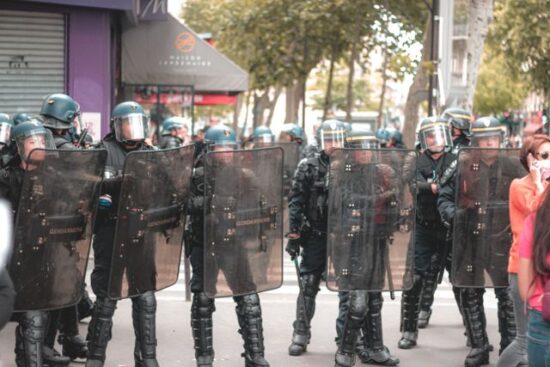
Why Authorities Are Rethinking the Management of Large Public Demonstrations
Anshika Jain - Oct 15, 2026Large public demonstrations have become an important feature of modern democratic societies. From student movements and workers’ strikes to political rallies, environmental campaigns and protests demanding government…

TVK’s Bypoll Wins: What the Party’s First Electoral Test Reveals About Its Political Position
Anshika Jain - Oct 15, 2026The Tamilaga Vettri Kazhagam (TVK), led by Tamil Nadu Chief Minister C. Joseph Vijay, has cleared its first major electoral test since forming the state government. The…
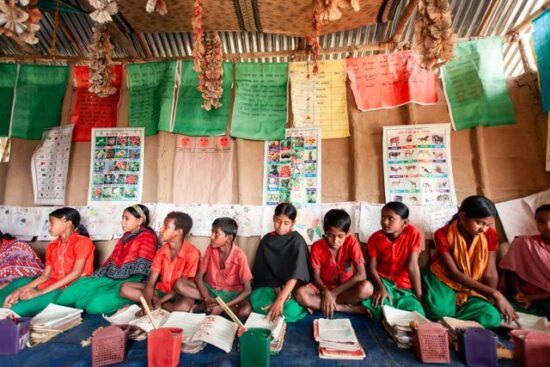
Why Tribal Students Are Marching for Education and Equal Opportunities
Anshika Jain - Oct 15, 2026Education is widely recognised as a pathway to social mobility, economic independence and equal participation in society. For many tribal students in India, however, the journey towards…
Most from this category
Student Protests Over Hostel Facilities: Basic Infrastructure Is Political Issue
Anshika Jain - Oct 15, 2026
Campus Curfews and Women’s Freedom: Safety Rules Become a Discrimination?
Anshika Jain - Oct 15, 2026
When Opposition Leaders Face Detention: The Legal Boundaries of Political Protest
Anshika Jain - Oct 15, 2026
Why Internal Disagreements Within Constitutional Institutions Matter to Public Trust
Anshika Jain - Oct 14, 2026
Student Protests Over Hostel Facilities: Basic Infrastructure Is Political Issue
Anshika Jain - Oct 15, 2026Campus Curfews and Women’s Freedom: Safety Rules Become a Discrimination?
Anshika Jain - Oct 15, 2026When Opposition Leaders Face Detention: The Legal Boundaries of Political Protest
Anshika Jain - Oct 15, 2026