

Is Low Hygiene A Blessing In Disguise?


With the world under the impact of a pandemic – COVID-19, a lot has been talked and discussed the hygiene and sanitization issues. As the number of cases in each country is increasing exponentially a lot of data analysts are analyzing this data and trying to relate the situation of the country in terms of health infrastructure and HDI – Human Development Index, to the number of cases in that particular country.
The United States is the leading country in providing world-class healthcare services and amongst the top in sanitization services. Also, because of less population, social distancing is something that doesn’t need to be practiced in most of the states, it is automatically followed. But it is the leading country in both, the number of COVID-19 cases and the number of deaths because of this deadly virus. More than 10.3 MN people have been infected so far and in excess of 240 thousand have succumbed to this virus in the States itself. The fatality rate is 720 per million cases.
When we compare the number of COVID-19 cases in the United States to that in India, we find that India – despite being the world’s second-most populous country and with healthcare services not as good as the US, has fewer cases and very fewer fatalities. In India, 8.6 MN people have been infected so far but the fatality rate is only 89 per million cases, one-eleventh when compared with that of the United States.
To give an answer to the above fact CSIR – The Center for Scientific and Industrial Research, conducted some extensive research and in its paper, they have written. The country’s less than desirable hygiene levels have likely helped Indian’s fight COVID-19 better. The observations of this study state Countries in lower and lower-middle-income – like India have more burden of parasite and bacterial diseases and this leads to immune training of people in these countries.
In developed countries with very fewer incidences of the parasite, bacterial or communicable infections the risk of autoimmune disorders has considerably risen. This autoimmune disorder could give rise to Cytokine Storm – the immune system attacks our body cells as well and this often is the real killer in developed countries. CSIR has also inferred that the higher the communicable diseases in a country lower is the COVID-19 fatality rate which in the case of a country like India is applicable. Thus, the countries in which there are more incidences of non-communicable diseases like Diabetes, Hypertension-leads to compromise in immunity, have the most fatalities.
CSIR in its report concluded that, if a body is exposed to various pathogens then that person is well suited to fight this virus. Low hygiene means more pathogens and the body’s immune system is trained to deal even with new ones. Although all the countries with less than desirable hygiene are improving their hygiene facilities, one cannot deny the fact that these countries have had a successful fight against the COVID-19 because of their low hygiene levels.
You may be interested

From Cash to QR Codes: How Everyday Payments Are Changing
Anshika Jain - Sep 28, 2026The way people pay for everyday goods and services is changing faster than ever before. For decades, cash was the most familiar form of payment for everything…
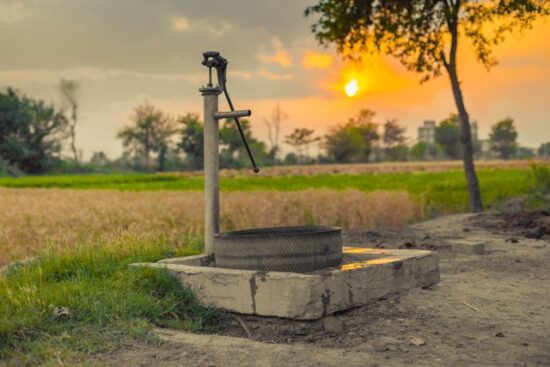
The New Water Crisis: Why Groundwater Is Becoming a Major Concern
Anshika Jain - Sep 28, 2026Water is one of the most essential resources for human survival, economic development, and environmental stability. While rivers, lakes, and reservoirs often receive the most attention in…

Space Debris: Why Earth’s Orbit Is Becoming More Crowded
Anshika Jain - Sep 28, 2026Earth's orbit has become an increasingly important part of modern life. Satellites support communication, navigation, weather forecasting, disaster management, scientific research, and national security. From mobile communication…
Most from this category

Satellite Internet and Remote Communities: Can Connectivity Reach the Hardest Places?
Anshika Jain - Sep 28, 2026


Data Breaches and Consumers: What Happens After Personal Information Is Leaked?
Anshika Jain - Sep 25, 2026
Satellite Internet and Remote Communities: Can Connectivity Reach the Hardest Places?
Anshika Jain - Sep 28, 2026From OTP Fraud to AI Voice Fraud: How Online Scams Are Evolving
Anshika Jain - Sep 28, 2026