

Few Things About Brain Fingerprinting Interrogation Technique

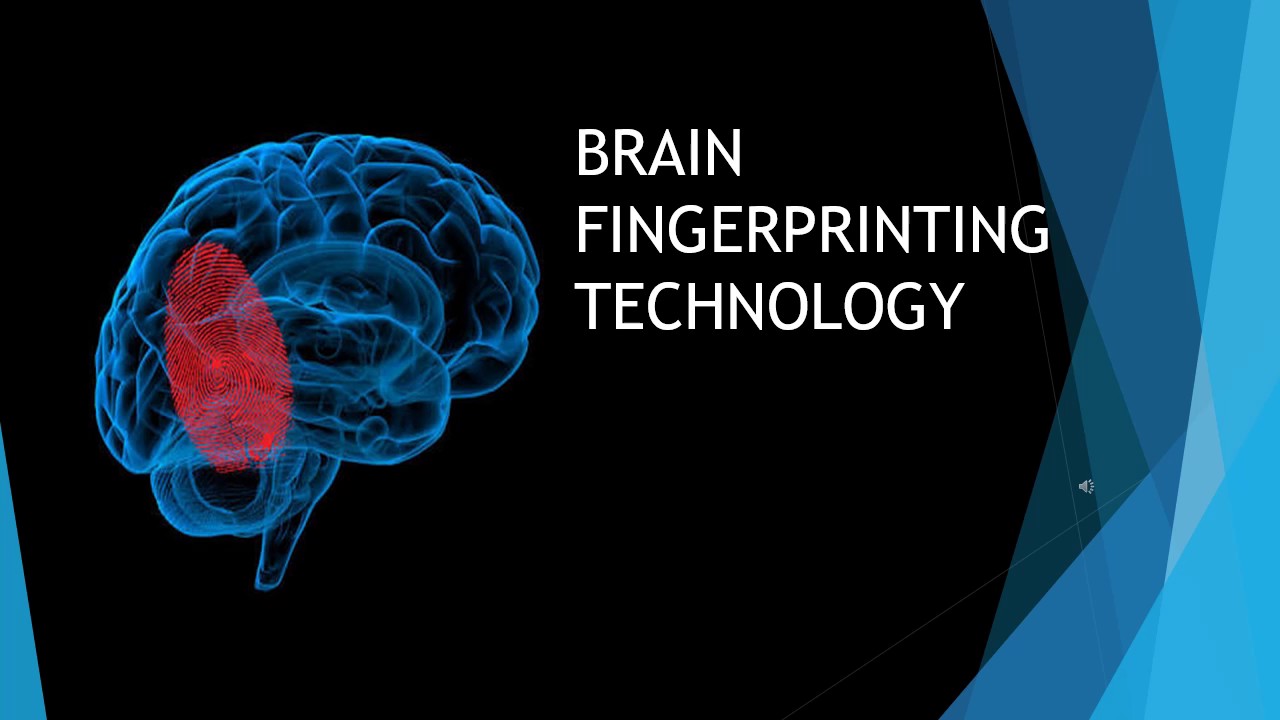

What is Brain Fingerprinting?
Basically, this technique is nothing but studying the suspect’s brain-behavior using the electrical signals produced by the brain. Our brain releases electromagnetic pulses and as a matter of fact, more amount of such pulses could seriously damage the left side of the brain. These pulses are so powerful that knowingly or unknowingly a person does what he does base on the vibes of these pulses. These pulses affect the life of a person in some unthinkable ways.
You may have noticed that whenever we go to the physician the last sentence with which they conclude is – Think Positive. This is because they clearly understand the effect of our thoughts on our physical well-being. Positive thoughts give rise to an energetic pulse and this message is propagated through our entire body. Thereby ensuring that we stay healthy, fit, and fine.
How does Brain Fingerprinting work?
BEOSP – Brain Electrical Oscillation Signature Profiling is an EEG – electroencephalogram technique by which a suspect’s participation in crime is detected by eliciting electrophysiological impulses. This is a non-invasive technique – no foreign instrument will be injected into the suspect’s body.
Like polygraphic test, this technique does not include injecting the suspect with drugs and then interrogating. This test is different.
The suspect is asked to wear a cap full of electrodes and then certain video and audio clips are played. This audio and video clip, in some way or the other, is related to the crime the person is suspected of. After this, the reaction of neurons to this audio or video clip is studied. This test is entirely based on the concept of knowledge and experience. The neurons of our brain are responsive to anything that is perceived for the second time. Thus, if the person was there at the crime scene then the neurons have perceived the same thing in the past. Perceiving it for the second time will see some response from the neurons.
The main challenge that investigators face in this test is – getting the consent of the accused. If the accused does not provide the consent for such a test then it would be against the law to use this, of course, there will be cases in which the judiciary can decide whether the test can be conducted. With such advanced technologies being inducted one can only hope that truth will prevail and justice won’t be delayed!
You may be interested

From Cash to QR Codes: How Everyday Payments Are Changing
Anshika Jain - Sep 28, 2026The way people pay for everyday goods and services is changing faster than ever before. For decades, cash was the most familiar form of payment for everything…

The New Water Crisis: Why Groundwater Is Becoming a Major Concern
Anshika Jain - Sep 28, 2026Water is one of the most essential resources for human survival, economic development, and environmental stability. While rivers, lakes, and reservoirs often receive the most attention in…

Space Debris: Why Earth’s Orbit Is Becoming More Crowded
Anshika Jain - Sep 28, 2026Earth's orbit has become an increasingly important part of modern life. Satellites support communication, navigation, weather forecasting, disaster management, scientific research, and national security. From mobile communication…
Most from this category

Satellite Internet and Remote Communities: Can Connectivity Reach the Hardest Places?
Anshika Jain - Sep 28, 2026


Data Breaches and Consumers: What Happens After Personal Information Is Leaked?
Anshika Jain - Sep 25, 2026
Satellite Internet and Remote Communities: Can Connectivity Reach the Hardest Places?
Anshika Jain - Sep 28, 2026From OTP Fraud to AI Voice Fraud: How Online Scams Are Evolving
Anshika Jain - Sep 28, 2026