Possible US–Iran Escalation: How Do Military Warnings Affect Regional Stability?


Relations between the United States and Iran remain one of the most consequential sources of uncertainty in international security. Their disagreements extend beyond military competition and diplomatic mistrust, involving nuclear development, economic sanctions, regional alliances, maritime security and influence across the Middle East. When either country issues military warnings, increases its regional deployments or signals that it may respond to an attack, the consequences can extend far beyond the two governments. Diplomatic negotiations become more difficult, energy markets become more sensitive to disruption, and neighbouring countries face greater pressure to protect their security interests.
Military warnings are not necessarily evidence that a war is imminent. Governments frequently use them to communicate deterrence, influence negotiations, reassure allies or discourage an opponent from taking a particular action. However, these signals can also create uncertainty when their intended meaning is unclear. A warning designed to prevent conflict may be interpreted as preparation for an attack, encouraging the other side to strengthen its military posture. This creates a delicate situation in which actions intended to preserve stability can unintentionally increase the risk of escalation.
Understanding the Current US–Iran Situation
The latest developments illustrate how military pressure and diplomatic engagement can operate simultaneously. As of November 2, 2026, the United States and Iran remain involved in a conflict that began in February, while diplomatic efforts are continuing through regional mediators. US President Donald Trump has indicated that further military action remains possible if negotiations fail, while Iranian Supreme Leader Mojtaba Khamenei has warned that any renewed attack could trigger an immediate response extending beyond the Middle East. These statements have increased uncertainty about whether the existing conflict will move towards a negotiated settlement or another phase of military confrontation.
At the same time, diplomatic contacts have not stopped. Iranian officials have been communicating with Qatari mediators, while Pakistan has also played a role in facilitating discussions. One proposal reportedly under consideration involves reopening the Strait of Hormuz within two days of an agreement, although important disagreements remain over sanctions, military deployments, shipping arrangements and the scope of future negotiations. The United States has also maintained that Iran’s nuclear programme must remain central to any comprehensive settlement.
This situation demonstrates why military warnings should be understood within a wider political and strategic framework. They can be intended to strengthen a country’s negotiating position, but their consequences depend on how the opposing government, regional allies and international markets interpret them.
Why Military Warnings Matter in International Relations
Military warnings are an established instrument of international politics. Governments use them to communicate their willingness to defend national interests, establish limits on an opponent’s actions and demonstrate that certain decisions could carry serious consequences. A warning may involve a public statement from a political leader, an announcement by a defence ministry, military exercises, increased troop deployments or the movement of naval and air assets.
In the US–Iran relationship, such statements carry particular significance because both countries have competing security objectives and a history of confrontation. Washington wants to prevent Iran from developing nuclear weapons, protect its regional partners and maintain the security of important maritime routes. Tehran, meanwhile, seeks to protect its political system, reduce external military pressure, obtain relief from economic sanctions and preserve its regional influence.
When one side communicates a willingness to use force, the other must decide whether the warning is intended as deterrence, political pressure or a genuine indication of imminent military action. This interpretation is not always straightforward. A government may increase military readiness to discourage an attack, but its opponent may interpret the same preparations as evidence that an offensive operation is being planned.
This creates a security dilemma. Each side may believe that its actions are defensive, while the other perceives them as threatening. As a result, military warnings can generate additional deployments, counter-threats and defensive preparations, gradually increasing the possibility of confrontation even when neither side initially intends to begin a wider war.
How Military Pressure Influences Diplomatic Negotiations
Military pressure can influence diplomacy by changing the perceived costs of refusing an agreement. When a government believes that continued negotiations may be followed by military action, it may become more willing to consider concessions. This is sometimes described as coercive diplomacy, in which the threat of force is used to encourage another government to change its behaviour without immediately carrying out an attack.
For Washington, military warnings can be intended to persuade Tehran that delaying negotiations or rejecting specific conditions will have consequences. The United States may use sanctions, military deployments and diplomatic pressure together to increase the cost of maintaining its current position. The objective is to create sufficient pressure for Iran to accept restrictions or assurances concerning its nuclear programme and regional activities.
However, coercive diplomacy has limitations. Pressure does not automatically produce compromise. If Iranian leaders believe that accepting US demands would weaken their national security or political legitimacy, they may consider resistance less dangerous than making concessions. Military threats can also strengthen domestic arguments for maintaining a tougher position, particularly when national sovereignty is presented as being under external attack.
The same difficulty applies to Washington. If the United States issues repeated warnings but does not define the conditions under which military action can be avoided, Tehran may question the credibility or consistency of its diplomatic approach. Unclear demands can make negotiations more difficult because the opposing side cannot easily determine what would constitute an acceptable agreement.
A successful diplomatic strategy therefore requires more than demonstrating military strength. It must establish specific objectives, communicate realistic conditions and provide a credible path towards reducing tensions. Military pressure may bring governments to the negotiating table, but durable agreements generally require both sides to believe that the resulting arrangement is more beneficial than continued confrontation.
The Role of Qatar and Other Regional Mediators
Regional mediators become particularly important when direct negotiations between two governments are politically difficult. Qatar has developed an important role in facilitating communication between Washington and Tehran, partly because it maintains diplomatic relationships across different political and security networks in the Middle East.
Mediation allows governments to exchange proposals without immediately making public commitments. It can also help clarify misunderstandings, communicate changes in negotiating positions and explore possible compromises. Pakistan has also participated in diplomatic efforts surrounding the current US–Iran conflict, demonstrating that the search for a settlement extends beyond the immediate parties.
Recent discussions have focused on a proposal connected to the reopening of the Strait of Hormuz and the broader restoration of regional stability. However, negotiations involve difficult questions about sanctions, military presence, freedom of navigation and the future of the conflict. The parties must also address whether an initial arrangement would be temporary or part of a longer political settlement.
Mediators cannot impose an agreement on either government. Their influence depends on whether both sides believe that negotiations offer a realistic opportunity to protect their interests. If military threats become more prominent than diplomatic communication, mediators may struggle to prevent misunderstandings or maintain momentum.
For regional countries, successful mediation is not simply a diplomatic achievement. It can also reduce the risk of attacks on infrastructure, shipping routes and commercial facilities. This makes continued communication valuable even when negotiations appear slow or uncertain.
Strait of Hormuz: The Central Energy Security Concern
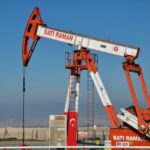
One of the most important consequences of a possible US–Iran escalation involves the Strait of Hormuz. Located between Iran and Oman, this narrow waterway connects the Persian Gulf with the Gulf of Oman and the wider international maritime network. It is a major route for oil and liquefied natural gas shipments from Gulf producers to international markets.
Its strategic importance means that military developments around the strait can influence energy security far beyond the Middle East. If commercial vessels face attacks, mines, military restrictions or uncertainty about safe passage, shipping companies may delay journeys or seek alternative arrangements. Even when physical supplies remain available, difficulties in transporting them can create shortages in particular markets and increase the cost of delivery.
The current conflict has already demonstrated how disruption around this route can become a central issue in diplomatic negotiations. Iran has linked the restoration of shipping arrangements to its wider demands, while the United States and regional governments have emphasised the importance of secure and unrestricted maritime access. A proposal discussed through mediators reportedly seeks to reopen the strait as part of a possible agreement.
A prolonged disruption would affect oil-exporting countries, shipping operators, insurers, energy traders and importing economies. Countries that depend heavily on Gulf energy supplies could face higher import costs and greater uncertainty over delivery schedules.
The challenge is therefore not limited to keeping the waterway physically open. Energy security also requires confidence that commercial vessels can travel without being exposed to unpredictable military risks. A diplomatic settlement that restores this confidence could have an immediate effect on international trade and energy markets.
How Escalation Threats Affect Global Oil Prices
Oil prices are influenced by the relationship between available supply and expected demand, but geopolitical uncertainty can change market behaviour before an actual shortage occurs. When traders believe that military escalation could interrupt production or transportation, they may anticipate tighter future supplies. This can increase prices even when oil continues to flow through existing routes.
This additional cost is often described as a geopolitical risk premium. It represents the uncertainty investors attach to the possibility of supply disruption, rather than a confirmed reduction in the amount of oil available.
Military warnings can influence this premium in several ways. A statement suggesting that further attacks are possible may increase concern about regional production facilities, export terminals and maritime routes. Conversely, reports of successful negotiations or an agreement to restore shipping access may reduce the perceived risk of future disruption.
Recent market developments demonstrate this relationship. On November 2, 2026, oil prices declined by more than 3% amid indications that the United States might allow additional time for diplomatic negotiations with Iran. However, the underlying security concerns remained significant, with reports of continuing risks to shipping in the Strait of Hormuz.
The reaction illustrates an important characteristic of energy markets: expectations can change rapidly. Prices may rise when traders anticipate military action and fall when diplomatic progress becomes more likely. However, a temporary decline does not necessarily mean that the underlying energy security problem has been resolved.
The Impact on India and Other Energy-Importing Economies
For India, instability involving the United States and Iran is particularly important because the country depends significantly on imported crude oil to meet its energy requirements. Changes in international oil prices can influence domestic fuel costs, transportation expenses, manufacturing operations and inflation.
When crude oil becomes more expensive, Indian refiners may face higher input costs. The eventual impact on consumers depends on several factors, including government taxation, currency movements, refinery economics and domestic fuel pricing policies. A weaker rupee can make imported energy more expensive even when the international dollar price remains relatively stable.
The effects can spread across the wider economy. Higher fuel and transportation costs may increase the price of agricultural inputs, industrial materials, consumer goods and logistics services. Businesses that depend on energy-intensive production may experience reduced margins, while households can face greater pressure on their monthly budgets.
Disruptions to maritime routes create an additional concern. Even when India can obtain oil from alternative suppliers, changing shipping routes and insurance costs may increase the expense of importing and transporting energy. This is why maintaining diversified supply relationships and sufficient strategic reserves is important.
Other major energy importers in Asia and Europe face similar challenges. Countries with limited domestic production can become especially vulnerable when geopolitical developments affect the availability or affordability of imported fuel. A prolonged conflict may therefore create economic pressure well beyond the countries directly involved.
Regional Stability and the Risk of a Wider Conflict
A possible US–Iran escalation could involve more than direct military exchanges between the two countries. The Middle East contains several overlapping security relationships, including partnerships, rivalries and armed groups whose activities may influence the course of a confrontation.
Iran has warned that any renewed attack could trigger a response extending beyond a single geographical area. Such statements raise concerns among neighbouring countries that host foreign military facilities or maintain close security relationships with Washington. The possibility of attacks on regional infrastructure can make governments more cautious about their public positions and military cooperation.
Gulf countries face a particularly difficult strategic situation. They have strong reasons to maintain security partnerships with the United States, but they also have economic and diplomatic interests in avoiding a prolonged confrontation with Iran. Their energy facilities, ports, airports and commercial centres could become exposed to greater risk if hostilities expand.
The United Arab Emirates has publicly expressed hope for a diplomatic breakthrough while acknowledging the need to prepare for a worsening security situation. Other regional governments have also called for restraint and political solutions.
A wider conflict could also affect Iraq, Lebanon, Syria and the Red Sea region, depending on the actions of armed groups and the responses of regional governments. The consequences might include displacement, damage to civilian infrastructure, interruptions to trade and increased pressure on humanitarian organisations.
Regional stability therefore depends on preventing a bilateral confrontation from becoming a network of connected conflicts. Diplomatic communication, clear military boundaries and restraint by regional actors are essential to reducing this risk.
The Nuclear Issue and the Limits of Negotiation
The nuclear programme remains one of the most difficult subjects in US–Iran diplomacy. Washington wants assurances that Iran will not develop nuclear weapons and has sought restrictions and verification measures intended to prevent that possibility. Iran maintains that its nuclear activities are peaceful and regards its right to nuclear technology as a matter of national sovereignty.
The disagreement is not only about technical nuclear capabilities. It also concerns trust, economic restrictions and the long-term balance of power in the region. The United States may view restrictions on Iran’s nuclear activities as necessary for international security, while Tehran may regard them as unacceptable if they are not accompanied by meaningful sanctions relief and security assurances.
Military threats can make this dispute more difficult to resolve. If Iran believes that its nuclear infrastructure could be attacked regardless of diplomatic concessions, it may become less willing to accept restrictions. Similarly, Washington may hesitate to ease pressure without confidence that any agreement can be independently verified.
A sustainable settlement would require a framework that addresses verification, compliance, sanctions and the consequences of future violations. It would also need to establish reliable communication channels so that disagreements do not immediately become military crises.
The nuclear issue cannot be separated completely from the wider regional conflict, but attempting to resolve every disagreement through one negotiation may also make progress harder. A phased approach could allow the parties to address immediate risks, such as maritime security and military restraint, while continuing discussions on more complex nuclear and sanctions-related questions.
Military Deterrence and the Danger of Miscalculation
Deterrence is based on convincing an opponent that the costs of taking a particular action will outweigh its potential benefits. Both the United States and Iran use military capabilities and public statements to communicate that they are prepared to respond if their interests are threatened.
However, deterrence is not automatically stabilising. It depends on accurate communication, credible commitments and an understanding of the opponent’s intentions. When governments rely heavily on public threats, their leaders may find it politically difficult to step back without appearing weak.
This creates a risk of miscalculation. A military exercise may be interpreted as preparation for an attack. An intercepted missile may be viewed as an offensive action. A defensive deployment may trigger a counter-deployment that increases the possibility of accidental confrontation.
The danger becomes greater when communication channels are weak or when military operations take place in crowded maritime and air environments. An incident involving a naval vessel, aircraft or missile system could develop rapidly if both sides assume that the other has deliberately escalated.
Preventing such incidents requires practical arrangements, including military communication channels, maritime deconfliction procedures and clear protocols for responding to unexpected encounters. These mechanisms cannot resolve the political disagreement, but they can reduce the possibility that an isolated incident becomes a wider conflict.
The Role of International Powers
The US–Iran confrontation also affects the interests of major international powers. China has significant economic and energy interests in the Middle East and has supported calls for dialogue and regional stability. Its diplomatic position reflects the importance of maintaining commercial relationships and avoiding disruptions to global energy supplies.
European governments also have reasons to support de-escalation. Higher energy prices, shipping uncertainty and regional instability can affect European industries and consumers. European diplomacy may contribute to negotiations by supporting communication, encouraging restraint and promoting arrangements that reduce nuclear and maritime risks.
International organisations can provide diplomatic forums and support monitoring or humanitarian efforts, although their ability to influence military decisions remains limited when major governments refuse to cooperate.
No external power can guarantee a settlement. However, international diplomatic engagement can increase the political cost of escalation and create opportunities for compromise. A broader international framework may also help ensure that any agreement addresses not only the immediate interests of Washington and Tehran but also the security concerns of neighbouring states.
What Could Happen Next?
The future of US–Iran relations depends on whether diplomatic discussions can produce an arrangement that both governments consider acceptable. One possible outcome is a negotiated de-escalation agreement that restores maritime access, reduces immediate military risks and creates a framework for further talks. Such an arrangement could help stabilise energy markets and give regional governments greater confidence in the security environment.
Another possibility is an extended period of military pressure without a comprehensive agreement. In this situation, both countries could maintain elevated readiness while continuing indirect negotiations. This would not necessarily lead to immediate renewed attacks, but it could leave energy markets and regional governments exposed to repeated uncertainty.
A more dangerous outcome would involve renewed military operations followed by retaliation against military facilities, infrastructure or commercial shipping. Such developments could disrupt energy supplies, increase insurance and transportation costs and draw additional regional actors into the confrontation.
There is also the possibility of a limited agreement that addresses one immediate issue without resolving the wider political dispute. For example, restoring safe passage through the Strait of Hormuz could reduce pressure on energy markets while leaving sanctions and nuclear negotiations unresolved. Although incomplete, such an arrangement could provide a foundation for further diplomatic progress.
These scenarios remain uncertain. As of November 2, 2026, discussions through regional mediators were continuing, but no final agreement had been announced. The gap between public military warnings and diplomatic negotiations remains a defining feature of the situation.
Conclusion
Possible US–Iran escalation demonstrates how military warnings can influence diplomacy, energy security and regional stability simultaneously. Such warnings may be intended to prevent an attack, strengthen a negotiating position or demonstrate military readiness. However, when both sides respond with additional threats and preparations, deterrence can become difficult to distinguish from the early stages of renewed conflict.
The consequences extend well beyond Washington and Tehran. Disruption around the Strait of Hormuz can affect international oil supplies, increase energy costs and place additional pressure on importing economies such as India. Regional governments must also consider the security of their infrastructure, commercial networks and populations.
Military strength may influence the balance of negotiations, but it cannot independently resolve disagreements involving nuclear policy, economic sanctions, national sovereignty and regional influence. A durable settlement requires clearly defined conditions, credible guarantees, effective verification and sustained diplomatic communication.
Ultimately, the most important question is not simply whether either side possesses the ability to escalate. It is whether both governments can identify a political outcome that makes further confrontation less attractive than cooperation. The success of diplomacy will depend on turning military warnings into an opportunity for negotiation rather than allowing them to become a pathway towards a wider regional crisis.
You may be interested

Climate Change as a Health Emergency: Researchers Calling for Global Health Action?
Anshika Jain - Nov 02, 2026Climate change is increasingly being recognised as more than an environmental or economic challenge. Its effects are becoming visible in hospitals, communities, agricultural regions and public health…

Rising Commodity Costs: How Do Supply Disruptions Reach Household Budgets?
Anshika Jain - Nov 02, 2026The price of everyday goods is influenced by events that often take place thousands of kilometres away from the people who eventually pay for them. A conflict…
Middle East Tensions and Oil Prices: Diplomatic Signals Change Global Energy Markets?
Anshika Jain - Nov 02, 2026Global oil prices are influenced by much more than the balance between supply and demand. Political stability, international negotiations, military developments, trade restrictions and diplomatic relationships can…
Most from this category

Israel’s Election and Coalition Uncertainty: No Political Bloc Secures a Majority
Anshika Jain - Nov 02, 2026



Israel’s Election and Coalition Uncertainty: No Political Bloc Secures a Majority
Anshika Jain - Nov 02, 2026Spain’s Deadly Train Collision: Rail Networks Investing in Maintenance
Anshika Jain - Nov 02, 2026Overtourism and Mountain Infrastructure: India’s Tourist Destinations
Anshika Jain - Oct 30, 2026